153517602
Nashik News

Thousands of Farmers, Tribals March from Nashik to Mumbai for Land Rights – What Are Their Demands?

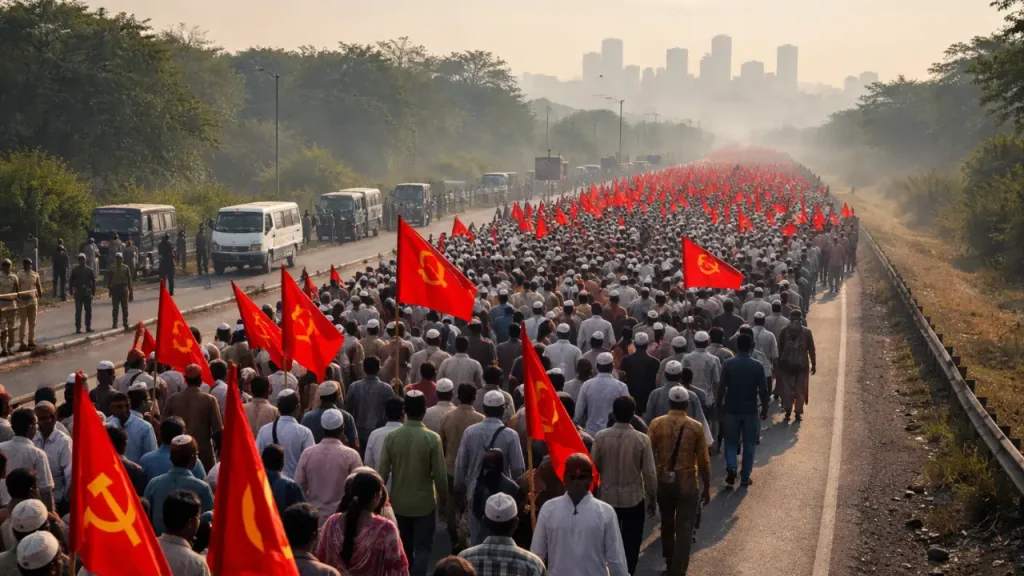
Mumbai is preparing for a major protest as thousands of farmers and tribal members march from Nashik to the city, advocating for land rights and addressing longstanding agricultural issues. Led by the All India Kisan Sabha, the march began after local officials failed to meet their demands.Mumbai is bracing for large-scale protest as thousands of farmers and tribal communities have begun a long march from Nashik towards the state capital, demanding land rights and resolution of long-pending agrarian issues. The march, led by the CPI(M)-affiliated All India Kisan Sabha (AIKS), began on Sunday after an agitation outside the Dindori tehsil office in Nashik district, as per a Deccan Chronicle report. Protesters carrying red flags decided to march on foot to Mumbai after officials failed to provide assurances on their demands. The rally, under the leadership of the Communist Party of India (Marxist), has continued for the past two days and entered Thane district on Tuesday. As the march reached Thane, it was joined by leaders and activists from the Thane–Palghar region, including MLA Vinod Nikole, Kiran Gahala, Radka Kalangada and Chandrakant Ghorkhana. The protest is steadily growing as it advances towards Mumbai, raising concerns of disruption in parts of the Mumbai Metropolitan Region in the coming days.Delegation to Meet Chief Minister Former MLA J P Gavit said a delegation comprising himself, CPI(M) Polit Bureau member and AIKS national president Ashok Dhawale, Kisan Sabha national joint secretary Ajit Navale and MLA Vinod Nikole will hold discussions with the chief minister and other concerned ministers once the march reaches Mumbai. The delegation plans to press for concrete assurances from the state government on farmers’ demands. Gavit said tribal farmers from Peth, Surgana, Kalwan and Trimbakeshwar talukas are participating in the agitation to draw attention to unresolved issues related to land rights, irrigation facilities and forest claims. These regions are drought-prone, and farmers have been demanding the construction of large check dams on west-flowing rivers and their tributaries to ensure reliable irrigation for agriculture.
fest 13
Indian Festivals

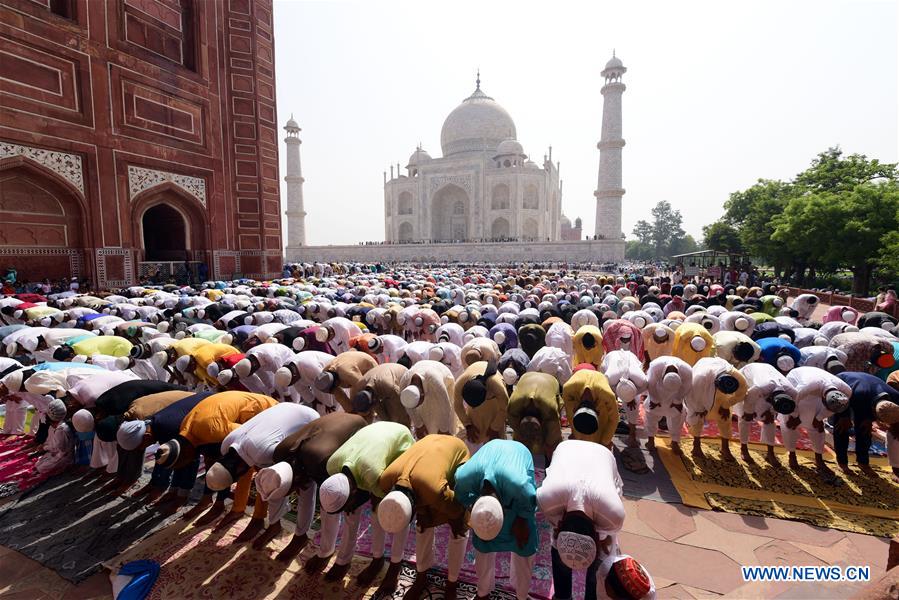
Eid al-Fitr

Eid al-Fitr is one of the most important festivals in Islam and is celebrated at the end of the holy month of Ramadan, a period of fasting, prayer, and self-discipline. The festival begins with the sighting of the moon and is observed with great joy by Muslim communities across India. The day starts with special prayers (Eid Namaz) at mosques and open prayer grounds. People wear new clothes, greet each other with “Eid Mubarak,” and seek forgiveness. Charity (Zakat al-Fitr) is an essential part of the festival, ensuring that the poor can also celebrate with dignity. Delicious food is prepared, especially traditional dishes like seviyan (sweet vermicelli), biryani, and kebabs. Families visit relatives and neighbors, promoting harmony and brotherhood. Eid al-Fitr represents gratitude, compassion, and social equality, reinforcing values of sharing and humanity.

fest12 converted
Indian Festivals

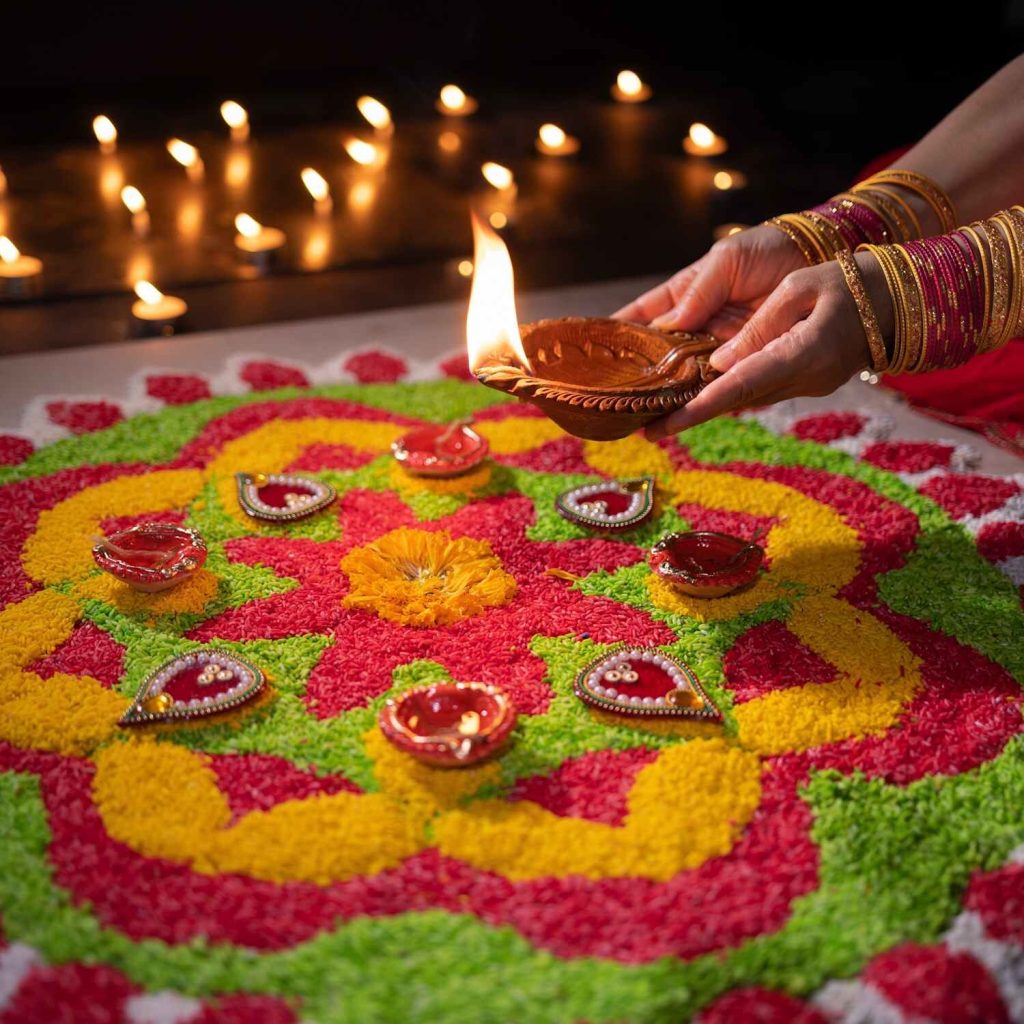
Diwali – Festival of Lights

Diwali, also known as the Festival of Lights, is one of the most widely celebrated festivals in India. It symbolizes the victory of light over darkness and good over evil. Celebrated during October or November, Diwali marks the return of Lord Rama to Ayodhya after defeating Ravana, as well as the worship of Goddess Lakshmi, the deity of wealth and prosperity. Homes, streets, and temples are decorated with oil lamps (diyas), electric lights, and colorful rangoli designs. Families clean their houses thoroughly, believing that Goddess Lakshmi visits clean and well-lit homes. Special prayers (Lakshmi Puja) are performed in the evening. Exchanging sweets, wearing new clothes, bursting crackers, and visiting relatives are key traditions. Markets become lively with shopping for clothes, gifts, and decorations. Diwali also has strong economic importance, as it is the biggest shopping season in India. Beyond celebration, Diwali teaches values of hope, renewal, generosity, and unity, making it a festival that connects all sections of society.

tribe folk dance 1
Nashik Local Festivals

Khandoba Jatra & Local Rural Fairs of Nashik

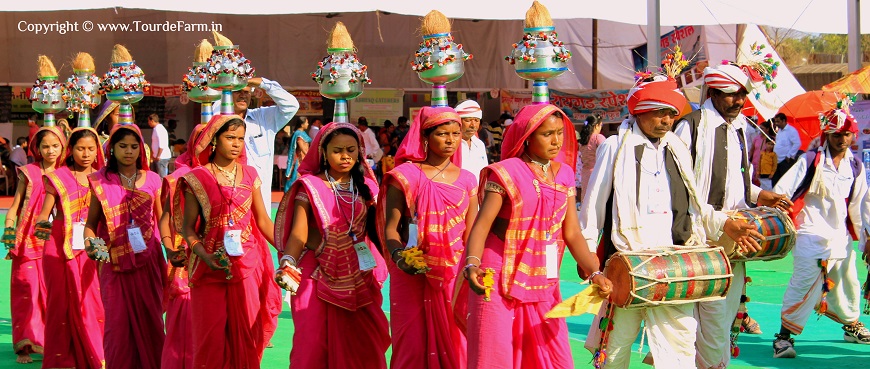
The Khandoba Jatra and other local village fairs (jatras) are deeply rooted in the rural and folk culture of Nashik district. These festivals are celebrated mainly in villages and outskirts of Nashik town and reflect the agrarian lifestyle, local faith, and community bonding of the region. Khandoba, a popular folk deity worshipped across Maharashtra, is considered a protector of farmers and rural communities. The Khandoba Jatra is usually celebrated once a year, often after the harvest season, when villagers have time to gather and celebrate. Devotees believe that worshipping Khandoba brings protection, good rainfall, and agricultural prosperity. The jatra typically begins with religious rituals, including offerings of flowers, coconuts, turmeric, and lamps at the temple. Devotees walk in processions, carrying flags and singing traditional devotional songs. Folk music instruments such as dhol, tasha, and lezim create a lively and festive atmosphere. Beyond religious worship, the jatra is also a social and cultural fair. Temporary markets are set up selling toys, bangles, clothes, utensils, sweets, and local handicrafts. Street food stalls offering traditional snacks attract large crowds, especially children. For many rural families, the jatra is both entertainment and shopping event. Cultural performances are a major highlight. Folk dances, tamasha performances, storytelling, and rural games are organized, preserving Maharashtra’s traditional art forms. These performances pass cultural knowledge from one generation to the next. Local jatras also serve as important meeting points. Families reconnect, social bonds are strengthened, and community decisions are sometimes discussed. For rural youth, the festival offers joy, identity, and a sense of belonging. Economically, village fairs support small traders, artisans, farmers, and performers. They keep the rural economy active and preserve indigenous livelihoods. Even people from Nashik town visit these fairs to experience authentic village culture. The Khandoba Jatra and similar local festivals represent the heart of Nashik’s grassroots culture. They remind us that while the city grows modern, its soul remains deeply connected to its villages, traditions, and collective faith.

fest 10
Nashik Local Festivals

Nashik International Film Festival (NIFF)

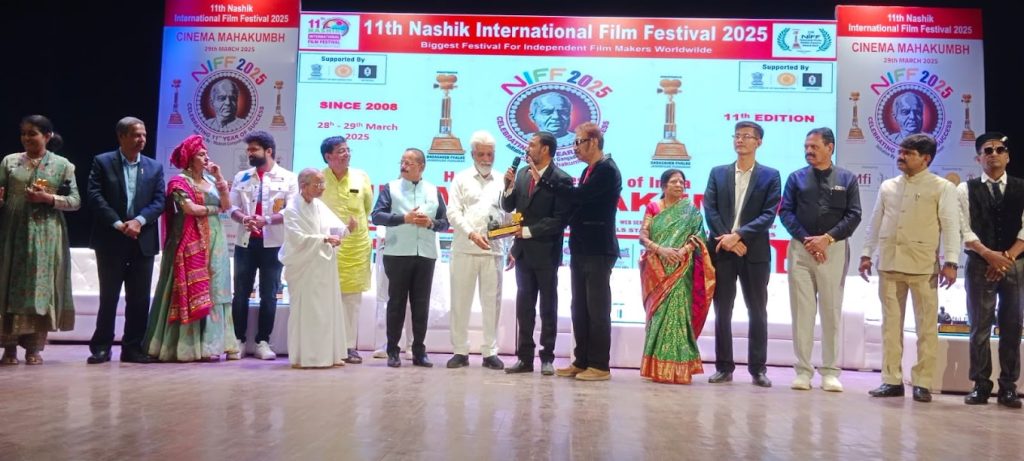
The Nashik International Film Festival (NIFF) is an important cultural event that highlights Nashik’s growing presence in the fields of cinema, media, and creative arts. Unlike traditional religious festivals, NIFF represents modern cultural expression and provides a platform for filmmakers, artists, students, and cinema lovers to come together and celebrate storytelling through film. NIFF is usually organized annually and features a wide range of films including short films, feature films, documentaries, animation, and student projects. The festival focuses strongly on independent cinema, giving opportunities to new and emerging filmmakers who may not have access to mainstream platforms. This makes NIFF especially valuable for young creators from Maharashtra and across India. During the festival, selected films are screened at auditoriums and cultural venues in Nashik. Filmmakers interact with audiences through panel discussions, Q&A sessions, workshops, and masterclasses. Topics such as scriptwriting, direction, cinematography, editing, and film distribution are discussed, making the festival educational as well as entertaining. NIFF also organizes award ceremonies to recognize excellence in various categories such as best film, best director, best actor, and best technical achievement. These awards motivate filmmakers and add credibility to their work. For students and aspiring artists in Nashik, the festival serves as inspiration and a learning platform. Culturally, NIFF plays a key role in expanding Nashik’s identity beyond religion and agriculture. It positions the city as a creative and intellectual hub, encouraging cultural exchange and artistic dialogue. Filmmakers from different regions bring diverse perspectives, enriching Nashik’s cultural environment. From an economic point of view, the festival supports local businesses such as hotels, cafés, transport services, and event organizers. It also creates short-term employment for volunteers, technicians, and media professionals. The presence of filmmakers and visitors boosts tourism and promotes Nashik as a city open to art and innovation. The Nashik International Film Festival symbolizes the city’s progressive spirit, showing how tradition and modern creativity coexist. It reflects the aspirations of Nashik’s youth and strengthens the city’s cultural future.

fest 9
Nashik Local Festivals

Durga Puja in Nashik

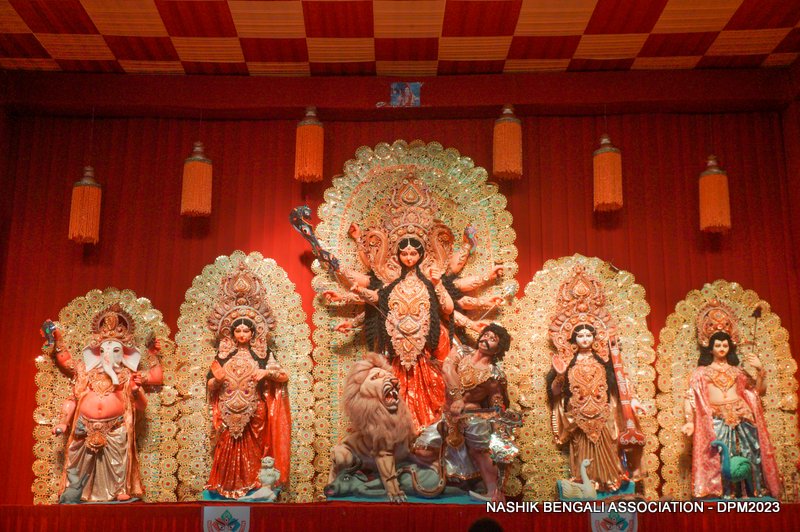
Durga Puja is a vibrant cultural festival celebrated in Nashik primarily by the Bengali community, while also attracting participation from people of other communities. Celebrated during September or October, the festival honors Goddess Durga, symbolizing the triumph of good over evil. In Nashik, Durga Puja is not only a religious event but also a celebration of art, culture, and community bonding. Temporary pandals are beautifully decorated with artistic themes, lighting, and handcrafted idols. The atmosphere reflects a blend of Bengali tradition and Nashik’s inclusive spirit. The festival lasts for five days, starting with Shashthi and ending with Vijaya Dashami. Daily rituals, chanting, and aartis are accompanied by cultural programs such as classical music, dance, and poetry. A unique highlight is the Dhunuchi dance, where devotees perform with incense burners, creating a mesmerizing visual experience. Food plays a central role in Durga Puja celebrations. Traditional Bengali dishes like khichuri, luchi, sweets, and bhog are prepared and shared with visitors. These community meals strengthen social bonds and create a welcoming atmosphere. On the final day, married women participate in Sindoor Khela, applying vermillion to the goddess and each other, symbolizing marital bliss. The idols are then immersed in water bodies, marking the goddess’s return to her celestial home. Durga Puja in Nashik reflects the city’s cultural diversity and harmony. It shows how people from different regions preserve their heritage while becoming part of Nashik’s social fabric. The festival enriches the city’s cultural calendar and promotes unity through celebration.

fest 8
Nashik Local Festivals

Mahashivratri in Nashik

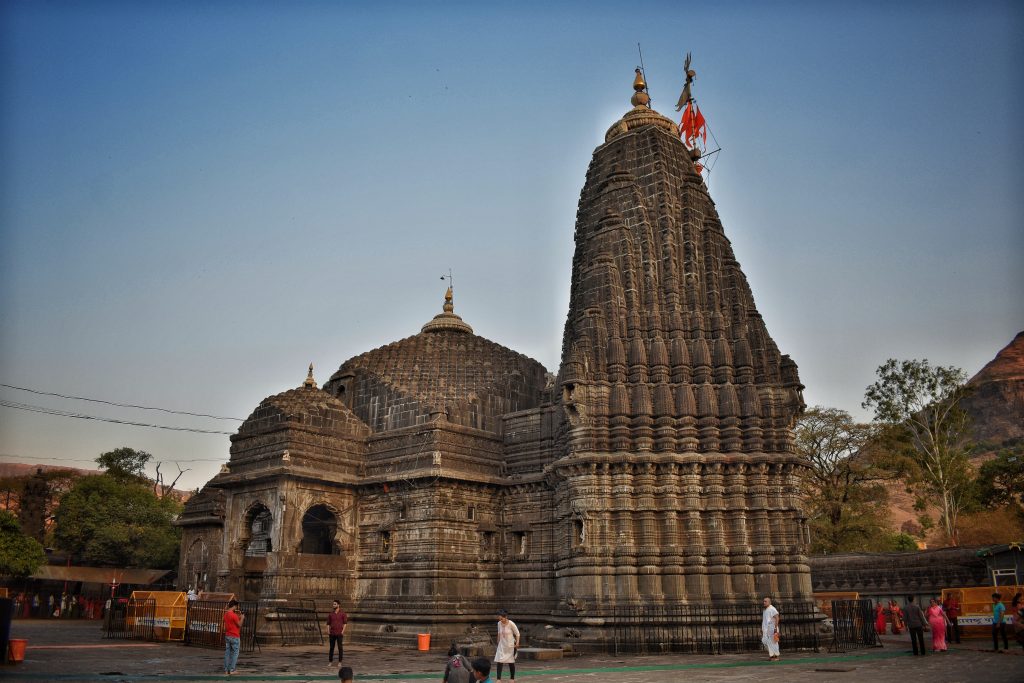
Mahashivratri, meaning “The Great Night of Lord Shiva,” is one of the most sacred festivals celebrated in Nashik due to its close association with Trimbakeshwar, one of the twelve Jyotirlingas of Lord Shiva. Observed annually in February or March, the festival holds immense spiritual importance for devotees across India. On Mahashivratri, Nashik and Trimbakeshwar witness a massive influx of pilgrims. Devotees observe fasts, perform special pujas, and stay awake throughout the night, chanting Shiva mantras and singing devotional songs. Temples remain open overnight, creating an atmosphere of deep devotion and spiritual intensity. The rituals include offering bilva leaves, milk, honey, water, and fruits to the Shiva Linga. These offerings symbolize purity, devotion, and surrender. Many devotees believe that sincere worship on Mahashivratri brings peace, liberation, and relief from past karmas. The spiritual energy during Mahashivratri is particularly powerful in Nashik. Processions, group chants, and meditation gatherings are organized across the city. Saints and spiritual teachers deliver discourses on the philosophy of Shiva—representing destruction of ego and transformation of consciousness. From a cultural perspective, Mahashivratri strengthens Nashik’s identity as a Shaiva pilgrimage center. Local businesses, priests, transport services, and accommodation providers play a vital role in managing the large number of pilgrims, contributing to the city’s economy. Beyond rituals, Mahashivratri teaches values of discipline, self-control, and inner awakening. For Nashik, the festival is not just a religious observance but a reminder of its ancient spiritual roots and sacred geography.

fest 7
Indian Festivals

Ganesh Chaturthi in Nashik

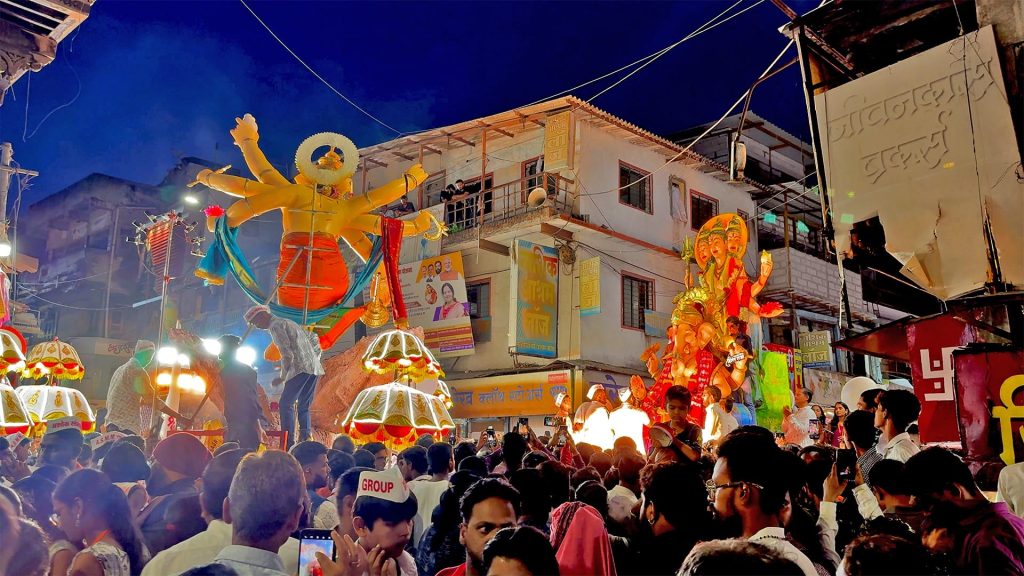
Ganesh Chaturthi is one of the most emotionally and culturally significant festivals celebrated in Nashik. Dedicated to Lord Ganesha, the remover of obstacles and the god of wisdom and prosperity, the festival usually falls in August or September and lasts for 10 days. During this period, Nashik transforms into a city filled with devotion, music, art, and community spirit. The festival begins with the installation of beautifully crafted Ganesh idols in homes and public pandals. Families perform daily prayers (aarti), chant hymns, and offer sweets—especially modak, believed to be Lord Ganesha’s favorite. Public pandals in Nashik are known for creative themes, eco-friendly idols, and cultural programs, drawing large crowds. One of the most important aspects of Ganesh Chaturthi in Nashik is community participation. Cultural events such as bhajans, classical music, dance performances, and social awareness programs are organized throughout the city. Many mandals also conduct blood donation camps, free medical check-ups, and food distribution, highlighting the festival’s social responsibility aspect. The final day, Ganesh Visarjan, is the most grand and emotional moment. Processions move through Nashik’s streets with drums, dance, and chants of “Ganpati Bappa Morya.” Devotees carry idols to the Godavari River for immersion, symbolizing the cycle of creation and dissolution. The immersion is both a farewell and a promise—“Ganpati Bappa, come again next year.” In recent years, Nashik has actively promoted eco-friendly celebrations, encouraging clay idols and artificial immersion tanks to protect the Godavari. This reflects the city’s growing awareness of environmental responsibility while preserving tradition. Ganesh Chaturthi in Nashik represents faith, creativity, unity, and social harmony. It brings people together across economic and social backgrounds, making it one of the most unifying festivals in the city’s cultural life.

fest 6
Indian Festivals

Holi in Nashik

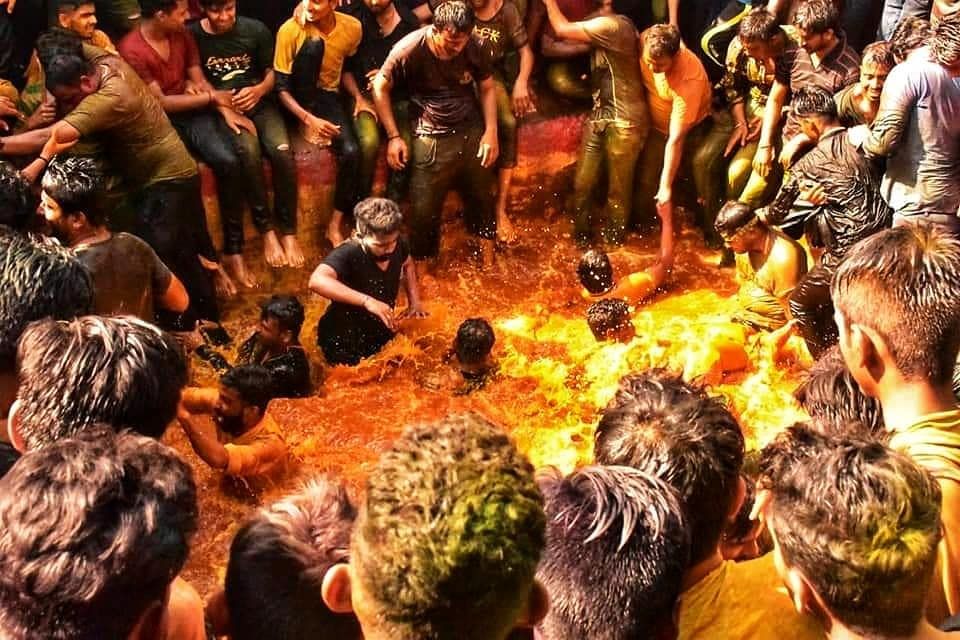
Holi, the festival of colors, is celebrated with great enthusiasm and joy in Nashik. Falling in February or March, Holi marks the arrival of spring and symbolizes the victory of good over evil. It is one of the most socially inclusive festivals, bringing together people of all ages and backgrounds. The celebrations in Nashik begin with Holika Dahan on the night before Holi. Bonfires are lit in neighborhoods, symbolizing the burning of evil forces as described in Hindu mythology. Families gather around the fire, perform rituals, and offer prayers for protection and well-being. The following day, known as Rangwali Holi, the city bursts into color. People take to the streets, courtyards, and open grounds, playing with gulal (colored powder) and water. Traditional drums, Bollywood songs, and folk music fill the air, creating an atmosphere of joy and freedom. In Nashik, Holi is celebrated both traditionally and in organized community events. Housing societies, colleges, and youth groups arrange eco-friendly Holi celebrations using natural colors and controlled water usage. Traditional foods like puran poli, gujiya, dahi vada, and thandai are prepared and shared among friends and neighbors. Holi also has a strong social message. Old disputes are forgotten, and relationships are renewed. People visit each other’s homes, apply colors, and exchange sweets, strengthening social unity. For many, Holi is a time to relax, laugh, and reconnect. Culturally, Holi reflects Nashik’s balanced lifestyle—where spiritual tradition coexists with youthful celebration. It is also becoming a tourist attraction, as visitors enjoy experiencing a colorful Indian festival in a friendly, welcoming city. Holi in Nashik is not just about colors; it is about joy, forgiveness, renewal, and togetherness, making it one of the most loved festivals of the region.

fest 5
Indian Festivals

Makar Sankranti in Nashik

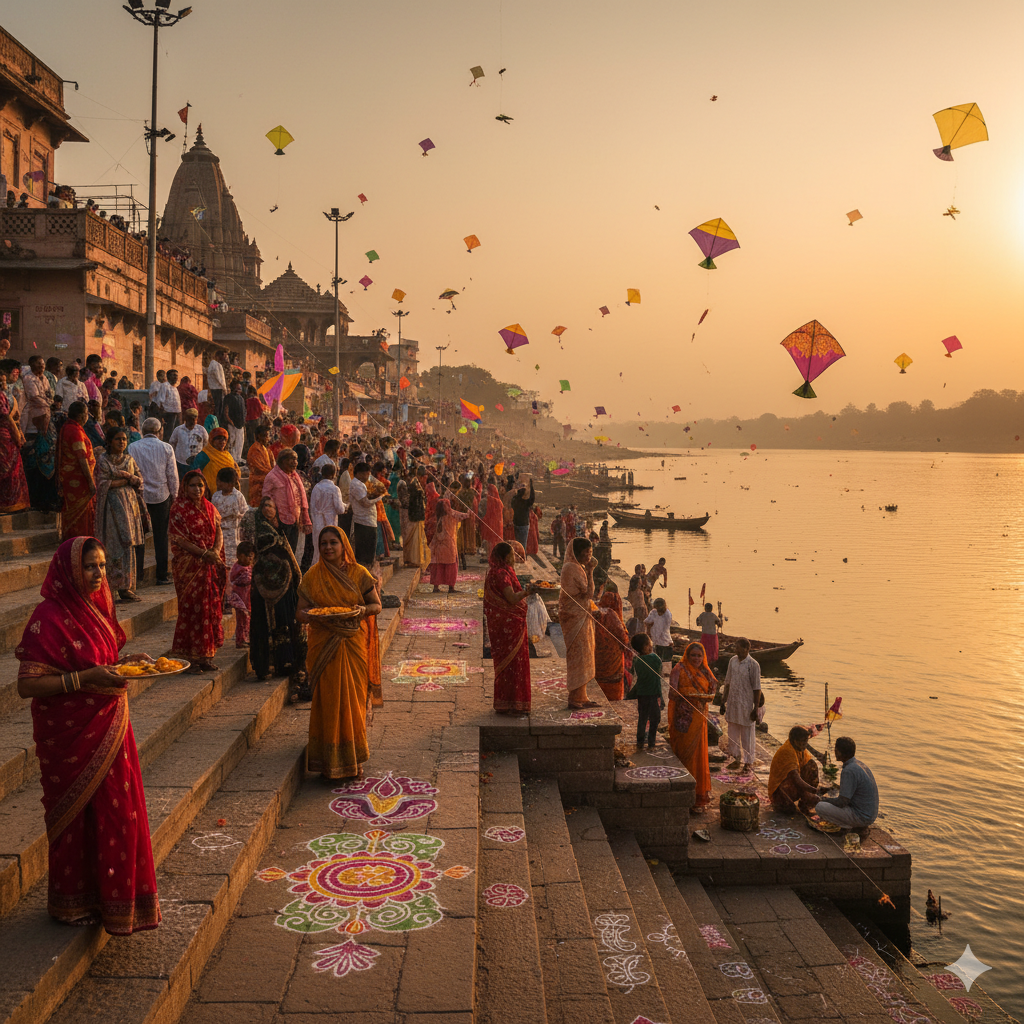
Makar Sankranti is one of the most widely celebrated traditional festivals in Nashik, marking the transition of the Sun into the zodiac sign Capricorn (Makar). Celebrated every year on 14th or 15th January, it signifies the end of winter and the beginning of longer, warmer days. Unlike many festivals based on the lunar calendar, Makar Sankranti follows the solar calendar, making its date almost fixed. In Nashik, the festival has strong agricultural and cultural importance. Farmers celebrate the harvest season, thanking nature for a successful crop cycle. Homes are cleaned and decorated, and people wear new clothes, especially black attire, which is traditionally believed to absorb warmth during winter. A key feature of Makar Sankranti in Nashik is the exchange of tilgul (sesame and jaggery sweets) with the greeting “Tilgul ghya, god god bola,” meaning “Accept these sweets and speak sweetly.” This tradition promotes harmony, forgiveness, and positive relationships within the community. Kite flying is another popular activity. Rooftops across Nashik come alive with colorful kites, especially in residential areas. Families and children gather to enjoy friendly kite competitions, filling the sky with vibrant colors. Sugarcane, groundnuts, and seasonal vegetables are prominently used in meals, symbolizing prosperity and abundance. Women celebrate Haldi-Kumkum gatherings, where married women exchange gifts and blessings. These social gatherings strengthen community bonds and preserve cultural customs passed down through generations. Spiritually, Makar Sankranti represents a shift toward positivity, light, and discipline. It is considered an auspicious time to start new ventures, donate food and clothes, and perform charity. In Nashik, temples see increased footfall, with devotees offering prayers for health and prosperity. Makar Sankranti may appear simple, but its deep connection to nature, agriculture, and human values makes it one of the most meaningful festivals in Nashik’s cultural calendar

Listing
News
Home
Jobs
contact