Nashik Local Festivals

tribe folk dance 1
Nashik Local Festivals

Khandoba Jatra & Local Rural Fairs of Nashik

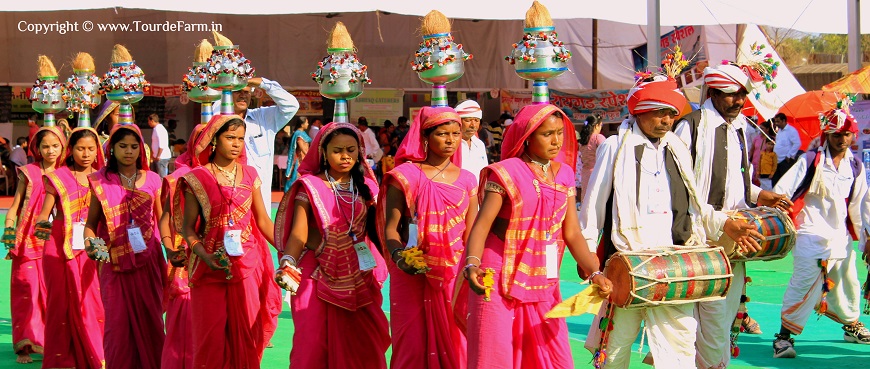
The Khandoba Jatra and other local village fairs (jatras) are deeply rooted in the rural and folk culture of Nashik district. These festivals are celebrated mainly in villages and outskirts of Nashik town and reflect the agrarian lifestyle, local faith, and community bonding of the region. Khandoba, a popular folk deity worshipped across Maharashtra, is considered a protector of farmers and rural communities. The Khandoba Jatra is usually celebrated once a year, often after the harvest season, when villagers have time to gather and celebrate. Devotees believe that worshipping Khandoba brings protection, good rainfall, and agricultural prosperity. The jatra typically begins with religious rituals, including offerings of flowers, coconuts, turmeric, and lamps at the temple. Devotees walk in processions, carrying flags and singing traditional devotional songs. Folk music instruments such as dhol, tasha, and lezim create a lively and festive atmosphere. Beyond religious worship, the jatra is also a social and cultural fair. Temporary markets are set up selling toys, bangles, clothes, utensils, sweets, and local handicrafts. Street food stalls offering traditional snacks attract large crowds, especially children. For many rural families, the jatra is both entertainment and shopping event. Cultural performances are a major highlight. Folk dances, tamasha performances, storytelling, and rural games are organized, preserving Maharashtra’s traditional art forms. These performances pass cultural knowledge from one generation to the next. Local jatras also serve as important meeting points. Families reconnect, social bonds are strengthened, and community decisions are sometimes discussed. For rural youth, the festival offers joy, identity, and a sense of belonging. Economically, village fairs support small traders, artisans, farmers, and performers. They keep the rural economy active and preserve indigenous livelihoods. Even people from Nashik town visit these fairs to experience authentic village culture. The Khandoba Jatra and similar local festivals represent the heart of Nashik’s grassroots culture. They remind us that while the city grows modern, its soul remains deeply connected to its villages, traditions, and collective faith.
fest 10
Nashik Local Festivals

Nashik International Film Festival (NIFF)

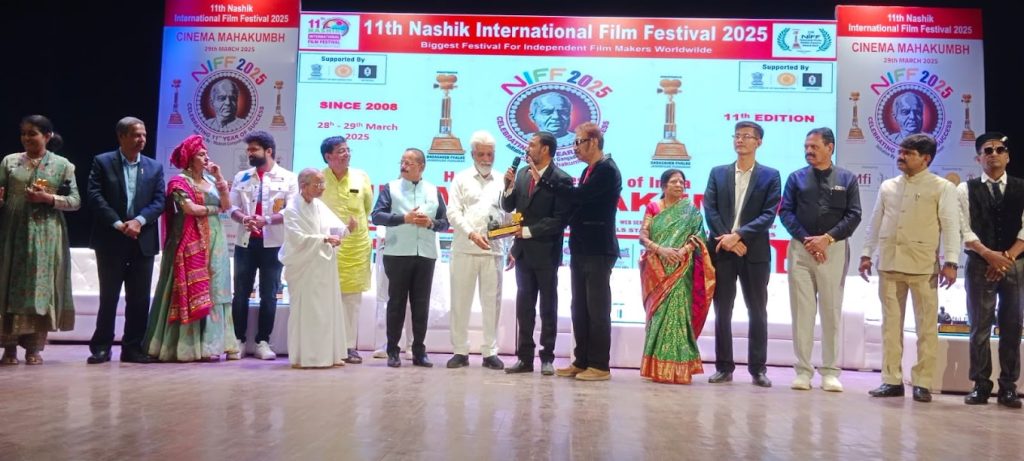
The Nashik International Film Festival (NIFF) is an important cultural event that highlights Nashik’s growing presence in the fields of cinema, media, and creative arts. Unlike traditional religious festivals, NIFF represents modern cultural expression and provides a platform for filmmakers, artists, students, and cinema lovers to come together and celebrate storytelling through film. NIFF is usually organized annually and features a wide range of films including short films, feature films, documentaries, animation, and student projects. The festival focuses strongly on independent cinema, giving opportunities to new and emerging filmmakers who may not have access to mainstream platforms. This makes NIFF especially valuable for young creators from Maharashtra and across India. During the festival, selected films are screened at auditoriums and cultural venues in Nashik. Filmmakers interact with audiences through panel discussions, Q&A sessions, workshops, and masterclasses. Topics such as scriptwriting, direction, cinematography, editing, and film distribution are discussed, making the festival educational as well as entertaining. NIFF also organizes award ceremonies to recognize excellence in various categories such as best film, best director, best actor, and best technical achievement. These awards motivate filmmakers and add credibility to their work. For students and aspiring artists in Nashik, the festival serves as inspiration and a learning platform. Culturally, NIFF plays a key role in expanding Nashik’s identity beyond religion and agriculture. It positions the city as a creative and intellectual hub, encouraging cultural exchange and artistic dialogue. Filmmakers from different regions bring diverse perspectives, enriching Nashik’s cultural environment. From an economic point of view, the festival supports local businesses such as hotels, cafés, transport services, and event organizers. It also creates short-term employment for volunteers, technicians, and media professionals. The presence of filmmakers and visitors boosts tourism and promotes Nashik as a city open to art and innovation. The Nashik International Film Festival symbolizes the city’s progressive spirit, showing how tradition and modern creativity coexist. It reflects the aspirations of Nashik’s youth and strengthens the city’s cultural future.

fest 9
Nashik Local Festivals

Durga Puja in Nashik

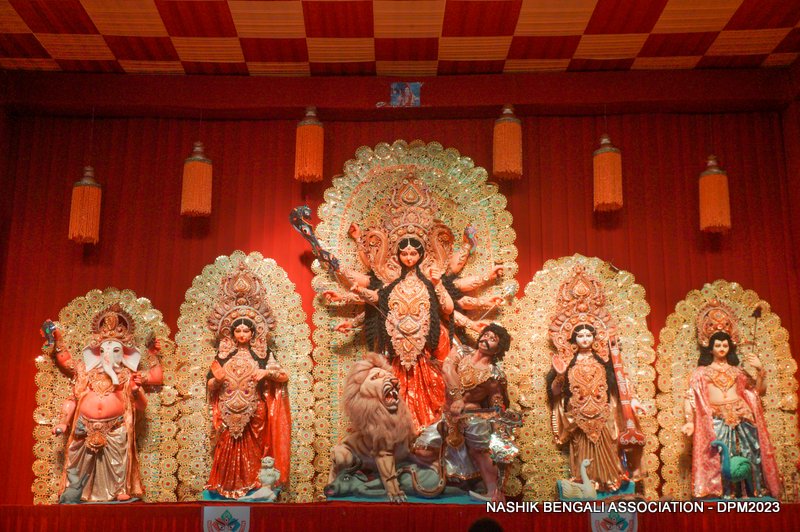
Durga Puja is a vibrant cultural festival celebrated in Nashik primarily by the Bengali community, while also attracting participation from people of other communities. Celebrated during September or October, the festival honors Goddess Durga, symbolizing the triumph of good over evil. In Nashik, Durga Puja is not only a religious event but also a celebration of art, culture, and community bonding. Temporary pandals are beautifully decorated with artistic themes, lighting, and handcrafted idols. The atmosphere reflects a blend of Bengali tradition and Nashik’s inclusive spirit. The festival lasts for five days, starting with Shashthi and ending with Vijaya Dashami. Daily rituals, chanting, and aartis are accompanied by cultural programs such as classical music, dance, and poetry. A unique highlight is the Dhunuchi dance, where devotees perform with incense burners, creating a mesmerizing visual experience. Food plays a central role in Durga Puja celebrations. Traditional Bengali dishes like khichuri, luchi, sweets, and bhog are prepared and shared with visitors. These community meals strengthen social bonds and create a welcoming atmosphere. On the final day, married women participate in Sindoor Khela, applying vermillion to the goddess and each other, symbolizing marital bliss. The idols are then immersed in water bodies, marking the goddess’s return to her celestial home. Durga Puja in Nashik reflects the city’s cultural diversity and harmony. It shows how people from different regions preserve their heritage while becoming part of Nashik’s social fabric. The festival enriches the city’s cultural calendar and promotes unity through celebration.

fest 8
Nashik Local Festivals

Mahashivratri in Nashik

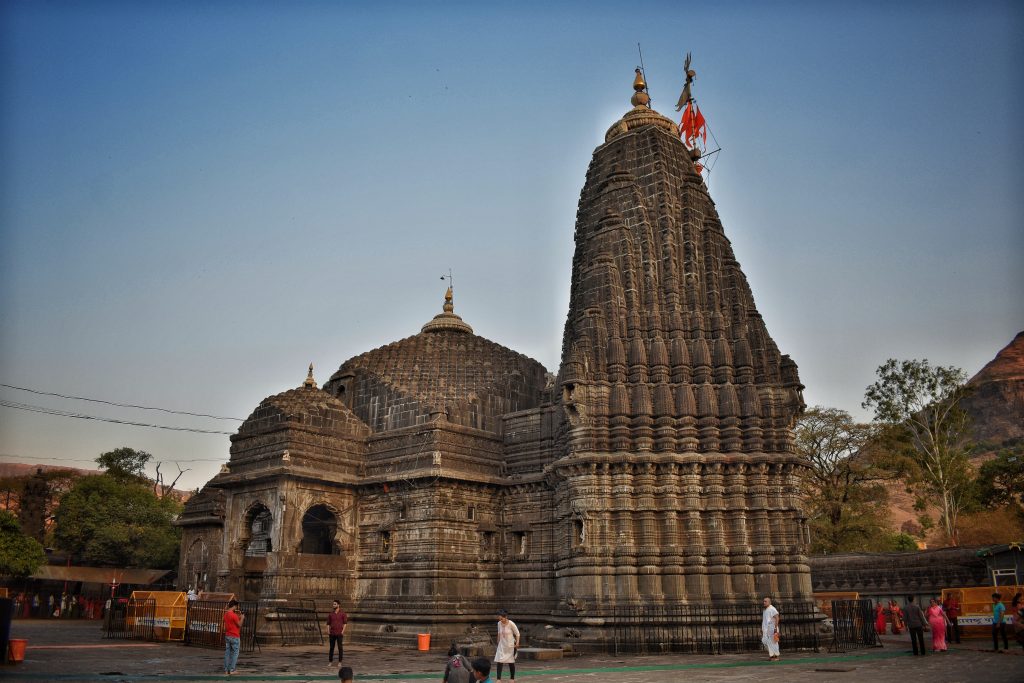
Mahashivratri, meaning “The Great Night of Lord Shiva,” is one of the most sacred festivals celebrated in Nashik due to its close association with Trimbakeshwar, one of the twelve Jyotirlingas of Lord Shiva. Observed annually in February or March, the festival holds immense spiritual importance for devotees across India. On Mahashivratri, Nashik and Trimbakeshwar witness a massive influx of pilgrims. Devotees observe fasts, perform special pujas, and stay awake throughout the night, chanting Shiva mantras and singing devotional songs. Temples remain open overnight, creating an atmosphere of deep devotion and spiritual intensity. The rituals include offering bilva leaves, milk, honey, water, and fruits to the Shiva Linga. These offerings symbolize purity, devotion, and surrender. Many devotees believe that sincere worship on Mahashivratri brings peace, liberation, and relief from past karmas. The spiritual energy during Mahashivratri is particularly powerful in Nashik. Processions, group chants, and meditation gatherings are organized across the city. Saints and spiritual teachers deliver discourses on the philosophy of Shiva—representing destruction of ego and transformation of consciousness. From a cultural perspective, Mahashivratri strengthens Nashik’s identity as a Shaiva pilgrimage center. Local businesses, priests, transport services, and accommodation providers play a vital role in managing the large number of pilgrims, contributing to the city’s economy. Beyond rituals, Mahashivratri teaches values of discipline, self-control, and inner awakening. For Nashik, the festival is not just a religious observance but a reminder of its ancient spiritual roots and sacred geography.

fest 4
Nashik Local Festivals

SulaFest – Wine & Music Festival

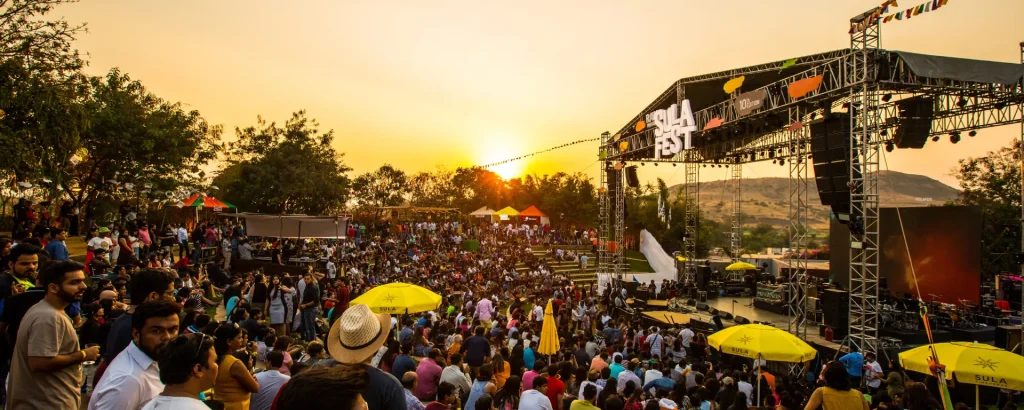
SulaFest is one of the most popular modern festivals in Nashik and represents the city’s evolving cultural and lifestyle identity. Organized annually at Sula Vineyards, usually in January or early February, SulaFest combines music, wine, food, and art into a vibrant two-day celebration. It attracts visitors from across India and abroad, making Nashik a major destination for experiential tourism. The festival was started to celebrate Nashik’s success as the Wine Capital of India and to introduce global wine culture to Indian audiences. Set against the scenic backdrop of rolling vineyards near Gangapur Dam, SulaFest offers a relaxed yet energetic atmosphere. International and Indian music bands perform live across genres such as indie, rock, electronic, folk fusion, and classical crossover, creating a diverse musical experience. Wine tasting is the heart of SulaFest. Visitors get the opportunity to sample a wide range of wines produced locally, learn about grape varieties, fermentation techniques, and food pairings. Wine experts conduct interactive sessions, making the festival educational as well as entertaining. This exposure has helped create a new wine-appreciation culture among Indian consumers. Food plays an equally important role. The festival hosts gourmet food stalls offering Maharashtrian cuisine, continental dishes, vegan options, and fusion foods. Local chefs and food entrepreneurs get a platform to showcase creativity, boosting small businesses and culinary tourism. Beyond entertainment, SulaFest contributes significantly to Nashik’s economy. Hotels, homestays, taxis, event planners, and local vendors benefit from the influx of tourists. The festival also creates temporary employment for youth in hospitality and event management. Environment-friendly practices such as waste management and eco-cups promote responsible tourism. SulaFest symbolizes modern Nashik—a city where agriculture, innovation, and global culture meet. It has changed how Nashik is perceived, positioning it as a youthful, cosmopolitan destination while remaining rooted in its land and vineyards.

fest 3
Nashik Local Festivals

Ramnavami at Kalaram Mandir

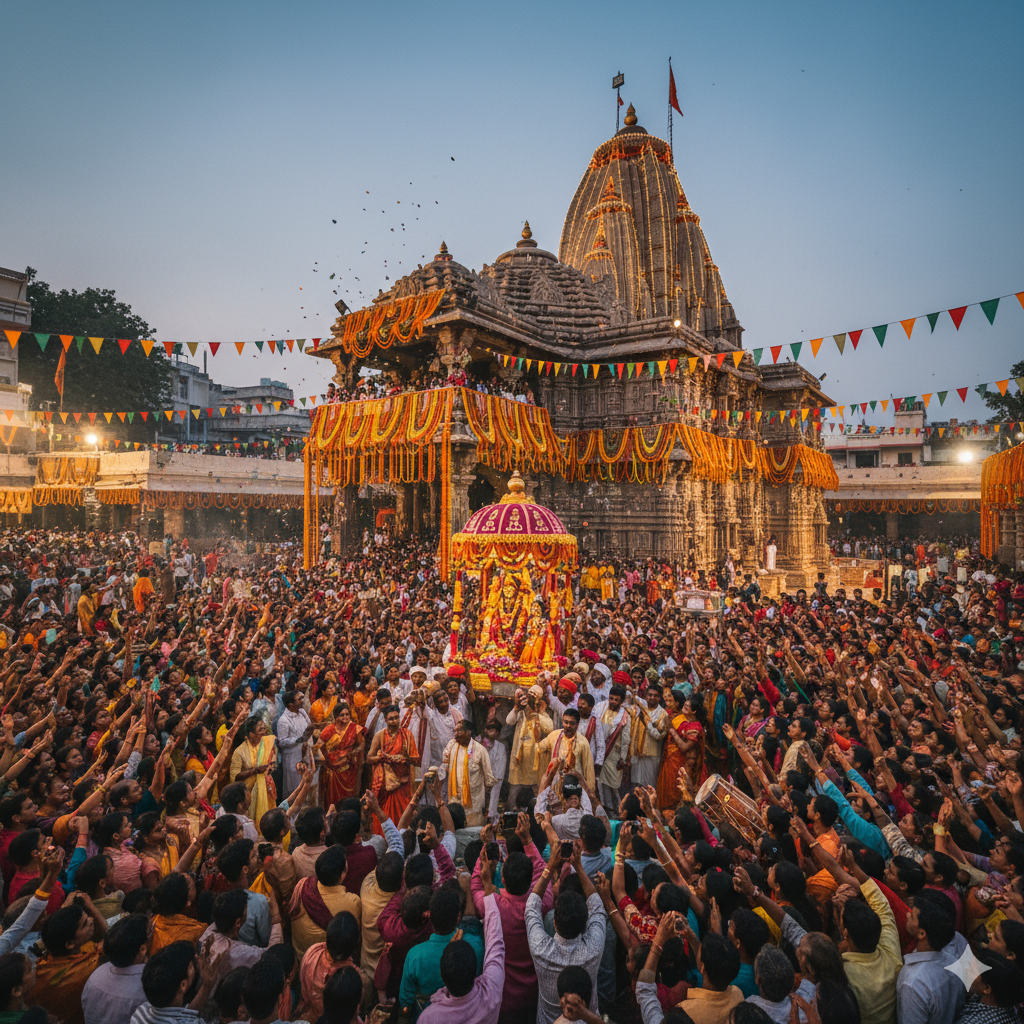
Ramnavami, the celebration of Lord Rama’s birth, holds exceptional importance in Nashik due to its strong association with the Ramayana. It is believed that Lord Rama spent a significant part of his exile in Panchavati, making Nashik a sacred Ramayana city. The festival is celebrated with deep devotion, especially at the historic Kalaram Mandir. The celebrations usually fall in March or April and extend over several days. Devotees begin the day with ritual baths in the Godavari River, followed by prayers, bhajans, and recitations of the Ramayana. The temple premises are beautifully decorated with flowers, lights, and traditional rangoli designs, creating a spiritual ambiance. The highlight of Ramnavami in Nashik is the Rath Yatra (chariot procession). Idols of Lord Rama, Sita, Lakshmana, and Hanuman are placed on a grand chariot and taken through the streets of Panchavati. Thousands of devotees pull the chariot, chant “Jai Shri Ram,” and shower flowers as an act of devotion. The procession symbolizes the values of dharma (righteousness), truth, and moral duty taught by Lord Rama. Cultural programs such as kirtans, pravachans, and classical music performances are organized during the festival. Local artists and spiritual leaders narrate episodes from Lord Rama’s life, making the festival educational as well as devotional. Community meals and charity activities are also conducted, reflecting the spirit of service. Ramnavami strengthens Nashik’s identity as a spiritual and cultural center. It brings together people from different communities, reinforcing social harmony. For pilgrims and tourists, witnessing Ramnavami at Kalaram Mandir is a deeply moving experience that connects mythology, faith, and living tradition.

fest 2
Nashik Local Festivals

Nashik Grape Harvest Festival

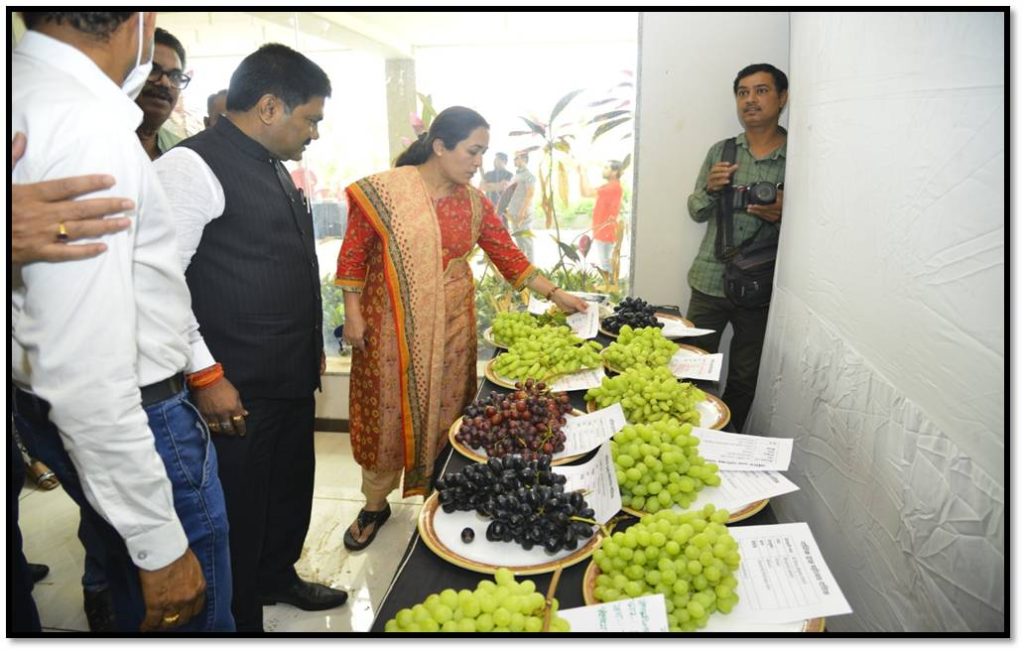
The Nashik Grape Harvest Festival is a modern cultural celebration that reflects the city’s transformation into the Wine Capital of India. Celebrated annually, usually between February and March, this festival honors Nashik’s thriving grape farming and wine-making heritage. Unlike traditional religious festivals, it blends agriculture, tourism, culture, and lifestyle, making it unique to Nashik. Nashik’s climate and soil are ideal for grape cultivation, and the district contributes a major share of India’s grape production. The festival marks the completion of the grape harvest season, celebrating the hard work of farmers and vineyard workers. During this time, vineyards across Nashik open their doors to visitors, offering guided tours, grape-stomping activities, and wine-tasting sessions. A major attraction of the festival is the participation of renowned wineries, especially those located around Gangapur Road and Trimbak Road. Visitors get a chance to understand the wine-making process—from grape selection and fermentation to bottling. Cultural programs, live music, folk dances, and food stalls serving local Maharashtrian and international cuisines add to the festive atmosphere. The festival also highlights farm tourism, encouraging urban visitors to connect with rural life. Grape farmers display different varieties of grapes, explain cultivation techniques, and share stories of how viticulture changed their livelihoods. This interaction builds appreciation for agriculture while promoting sustainable farming practices. Economically, the Grape Harvest Festival plays a crucial role in promoting wine tourism in Nashik. It attracts domestic and international tourists, boosting hotels, transport services, handicraft sellers, and local employment. For the youth of Nashik, it provides exposure to hospitality, event management, and global tourism trends. More than just a celebration, the festival represents Nashik’s progressive identity—where tradition and modern enterprise coexist. It positions the city as a global destination while remaining rooted in its agricultural heritage. Today, the Grape Harvest Festival is a symbol of pride for Nashik and a celebration of innovation born from the land.

fesrt 1
Nashik Local Festivals

Nashik–Trimbakeshwar Simhastha (Kumbh Mela)

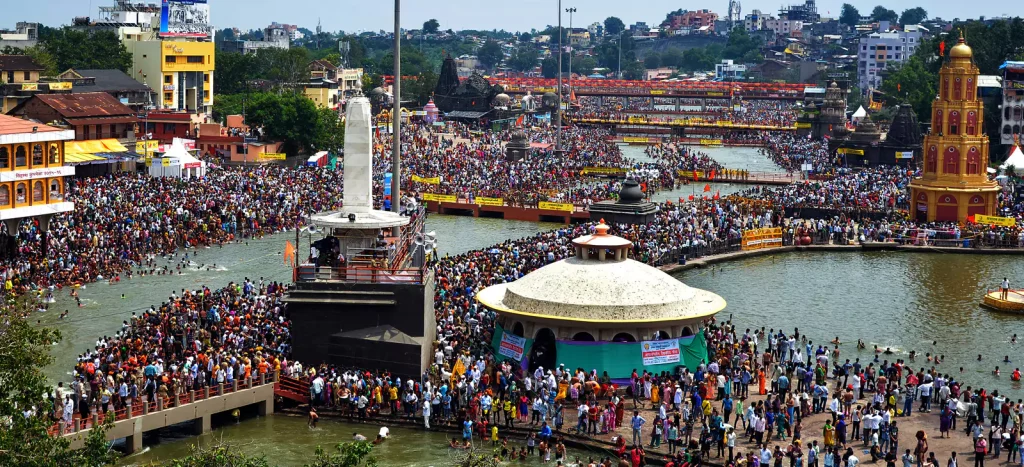
The Nashik–Trimbakeshwar Simhastha, popularly known as the Kumbh Mela, is the most sacred and largest spiritual festival associated with Nashik. Held once every 12 years, this festival transforms Nashik into a global center of Hindu spirituality, devotion, and ancient tradition. Millions of pilgrims, saints, ascetics, and spiritual seekers gather on the banks of the Godavari River, especially at Ramkund, to take the holy dip believed to cleanse sins and liberate the soul. The roots of Simhastha go back to ancient Hindu scriptures, where it is believed that drops of the divine nectar (Amrit) fell at four places—Nashik being one of them. The festival timing is determined by astrological calculations, particularly when Jupiter enters the zodiac sign Leo (Simha), hence the name Simhastha. Nashik’s spiritual importance is further elevated due to its close connection with Trimbakeshwar, home to one of the twelve Jyotirlingas of Lord Shiva. One of the most striking aspects of the Nashik Kumbh Mela is the presence of Akhadas—ancient religious orders of saints and sadhus. The Shahi Snan (Royal Bath) is the grand highlight, where Naga sadhus, adorned with ash and symbolic ornaments, lead massive processions toward the river. These processions, accompanied by chants, drums, and flags, are a visual and spiritual spectacle that draws attention from across the world. During Simhastha, Nashik becomes a temporary city of tents, spiritual camps, discourses, and free food kitchens (langars). Saints conduct pravachans (spiritual talks), yoga sessions, and philosophical debates, allowing devotees to gain spiritual knowledge beyond rituals. The atmosphere is deeply devotional, yet culturally vibrant, showcasing India’s ancient wisdom traditions. The festival also plays a major role in local economy and infrastructure development. Roads, ghats, sanitation systems, and public facilities are upgraded to accommodate the massive influx of pilgrims. Local businesses—from flower sellers and priests to hotels and transport services—experience significant growth during this period. Beyond religion, Simhastha symbolizes unity, faith, and continuity of tradition. People from all castes, regions, and backgrounds gather with a shared belief, making it one of the greatest examples of collective spiritual harmony. For Nashik, Simhastha is not just a festival—it is the soul of the city’s spiritual identity.

Listing
News
Home
Jobs
contact