Indian Festivals

fest 13
Indian Festivals

Eid al-Fitr

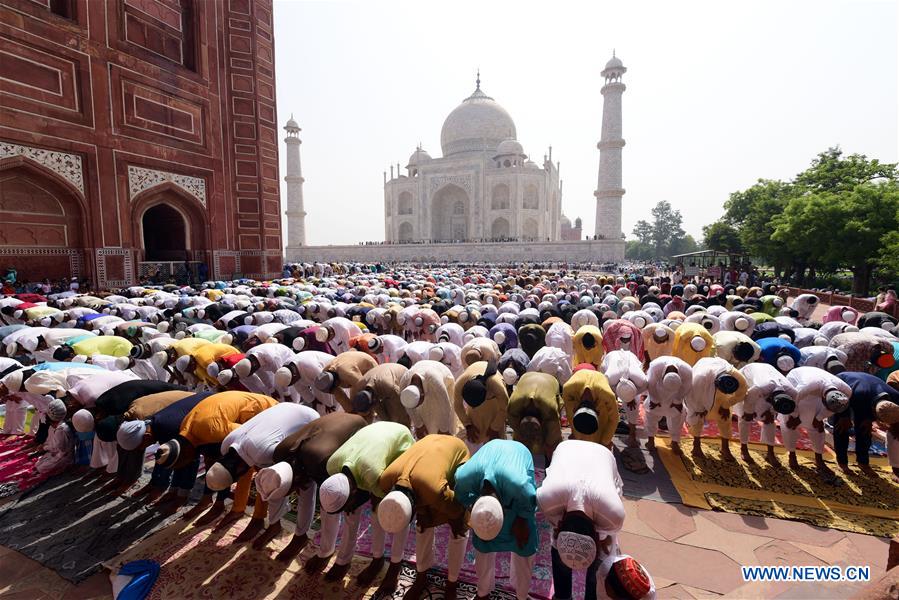
Eid al-Fitr is one of the most important festivals in Islam and is celebrated at the end of the holy month of Ramadan, a period of fasting, prayer, and self-discipline. The festival begins with the sighting of the moon and is observed with great joy by Muslim communities across India. The day starts with special prayers (Eid Namaz) at mosques and open prayer grounds. People wear new clothes, greet each other with “Eid Mubarak,” and seek forgiveness. Charity (Zakat al-Fitr) is an essential part of the festival, ensuring that the poor can also celebrate with dignity. Delicious food is prepared, especially traditional dishes like seviyan (sweet vermicelli), biryani, and kebabs. Families visit relatives and neighbors, promoting harmony and brotherhood. Eid al-Fitr represents gratitude, compassion, and social equality, reinforcing values of sharing and humanity.

fest12 converted
Indian Festivals

Diwali – Festival of Lights

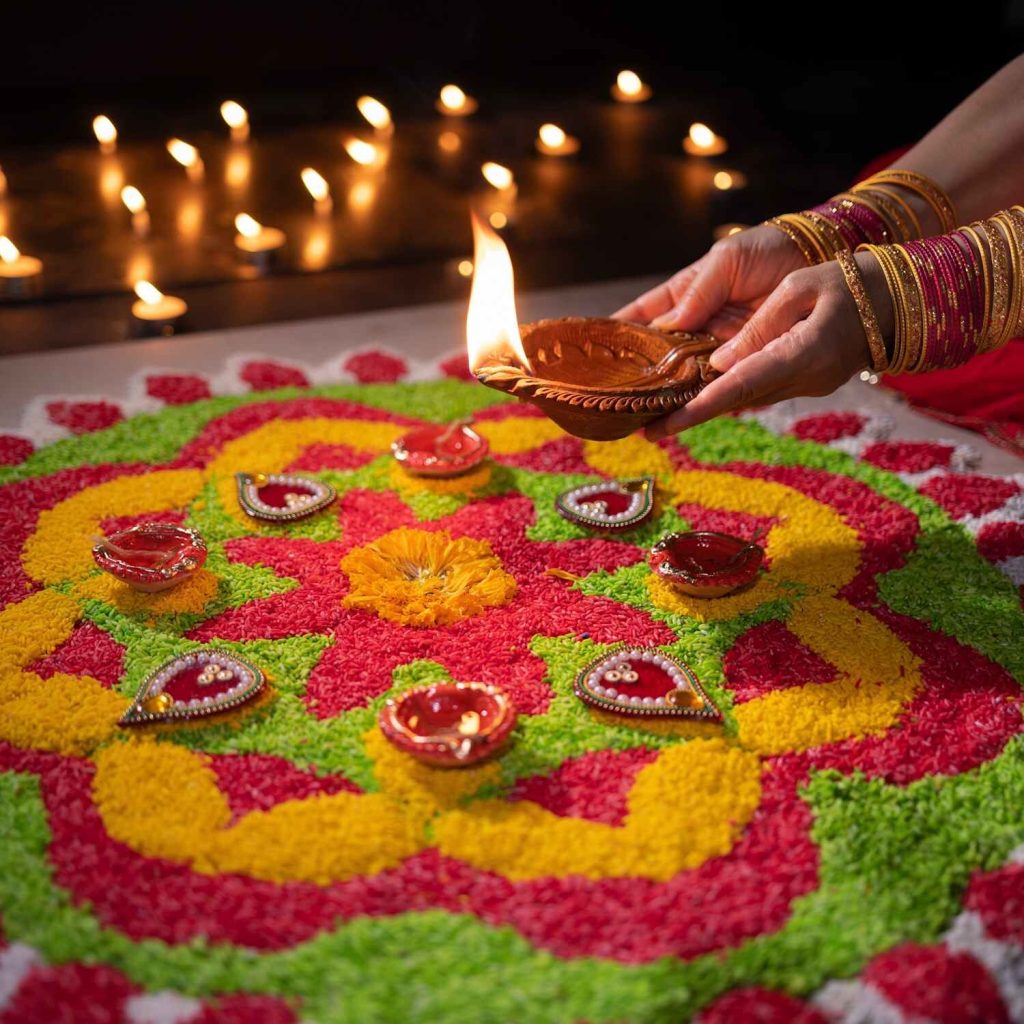
Diwali, also known as the Festival of Lights, is one of the most widely celebrated festivals in India. It symbolizes the victory of light over darkness and good over evil. Celebrated during October or November, Diwali marks the return of Lord Rama to Ayodhya after defeating Ravana, as well as the worship of Goddess Lakshmi, the deity of wealth and prosperity. Homes, streets, and temples are decorated with oil lamps (diyas), electric lights, and colorful rangoli designs. Families clean their houses thoroughly, believing that Goddess Lakshmi visits clean and well-lit homes. Special prayers (Lakshmi Puja) are performed in the evening. Exchanging sweets, wearing new clothes, bursting crackers, and visiting relatives are key traditions. Markets become lively with shopping for clothes, gifts, and decorations. Diwali also has strong economic importance, as it is the biggest shopping season in India. Beyond celebration, Diwali teaches values of hope, renewal, generosity, and unity, making it a festival that connects all sections of society.

fest 7
Indian Festivals

Ganesh Chaturthi in Nashik

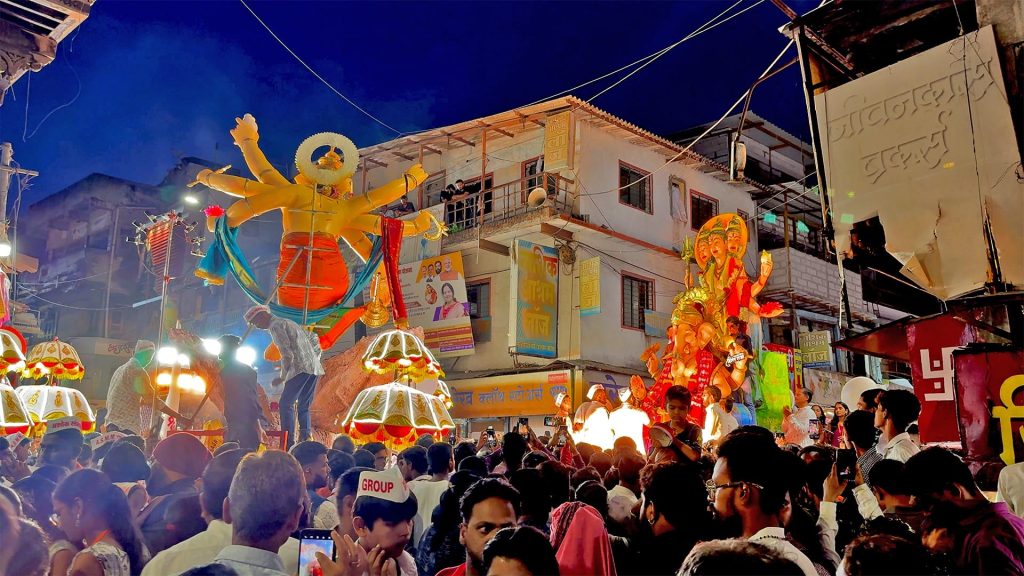
Ganesh Chaturthi is one of the most emotionally and culturally significant festivals celebrated in Nashik. Dedicated to Lord Ganesha, the remover of obstacles and the god of wisdom and prosperity, the festival usually falls in August or September and lasts for 10 days. During this period, Nashik transforms into a city filled with devotion, music, art, and community spirit. The festival begins with the installation of beautifully crafted Ganesh idols in homes and public pandals. Families perform daily prayers (aarti), chant hymns, and offer sweets—especially modak, believed to be Lord Ganesha’s favorite. Public pandals in Nashik are known for creative themes, eco-friendly idols, and cultural programs, drawing large crowds. One of the most important aspects of Ganesh Chaturthi in Nashik is community participation. Cultural events such as bhajans, classical music, dance performances, and social awareness programs are organized throughout the city. Many mandals also conduct blood donation camps, free medical check-ups, and food distribution, highlighting the festival’s social responsibility aspect. The final day, Ganesh Visarjan, is the most grand and emotional moment. Processions move through Nashik’s streets with drums, dance, and chants of “Ganpati Bappa Morya.” Devotees carry idols to the Godavari River for immersion, symbolizing the cycle of creation and dissolution. The immersion is both a farewell and a promise—“Ganpati Bappa, come again next year.” In recent years, Nashik has actively promoted eco-friendly celebrations, encouraging clay idols and artificial immersion tanks to protect the Godavari. This reflects the city’s growing awareness of environmental responsibility while preserving tradition. Ganesh Chaturthi in Nashik represents faith, creativity, unity, and social harmony. It brings people together across economic and social backgrounds, making it one of the most unifying festivals in the city’s cultural life.

fest 6
Indian Festivals

Holi in Nashik

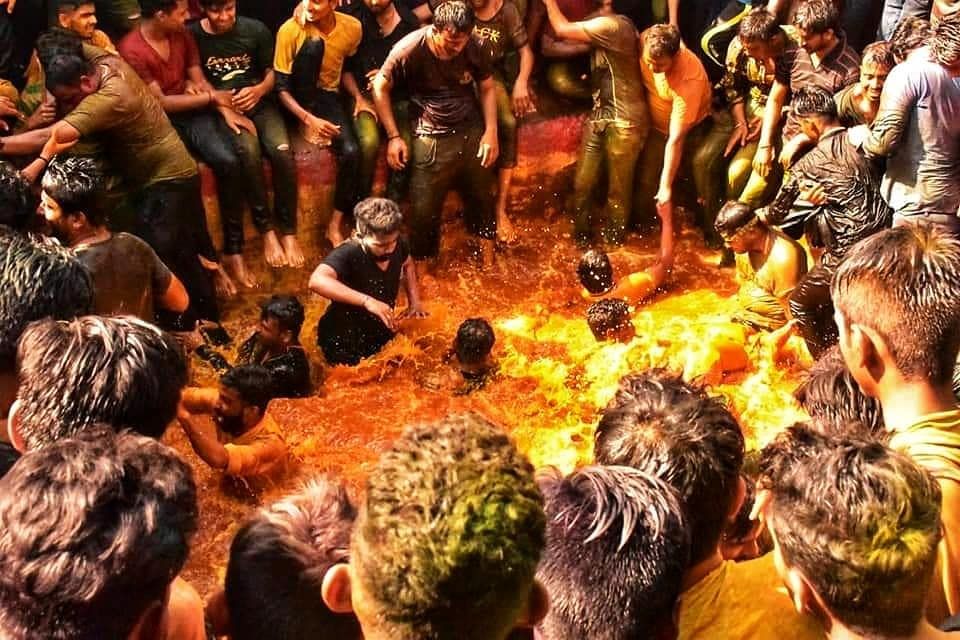
Holi, the festival of colors, is celebrated with great enthusiasm and joy in Nashik. Falling in February or March, Holi marks the arrival of spring and symbolizes the victory of good over evil. It is one of the most socially inclusive festivals, bringing together people of all ages and backgrounds. The celebrations in Nashik begin with Holika Dahan on the night before Holi. Bonfires are lit in neighborhoods, symbolizing the burning of evil forces as described in Hindu mythology. Families gather around the fire, perform rituals, and offer prayers for protection and well-being. The following day, known as Rangwali Holi, the city bursts into color. People take to the streets, courtyards, and open grounds, playing with gulal (colored powder) and water. Traditional drums, Bollywood songs, and folk music fill the air, creating an atmosphere of joy and freedom. In Nashik, Holi is celebrated both traditionally and in organized community events. Housing societies, colleges, and youth groups arrange eco-friendly Holi celebrations using natural colors and controlled water usage. Traditional foods like puran poli, gujiya, dahi vada, and thandai are prepared and shared among friends and neighbors. Holi also has a strong social message. Old disputes are forgotten, and relationships are renewed. People visit each other’s homes, apply colors, and exchange sweets, strengthening social unity. For many, Holi is a time to relax, laugh, and reconnect. Culturally, Holi reflects Nashik’s balanced lifestyle—where spiritual tradition coexists with youthful celebration. It is also becoming a tourist attraction, as visitors enjoy experiencing a colorful Indian festival in a friendly, welcoming city. Holi in Nashik is not just about colors; it is about joy, forgiveness, renewal, and togetherness, making it one of the most loved festivals of the region.

fest 5
Indian Festivals

Makar Sankranti in Nashik

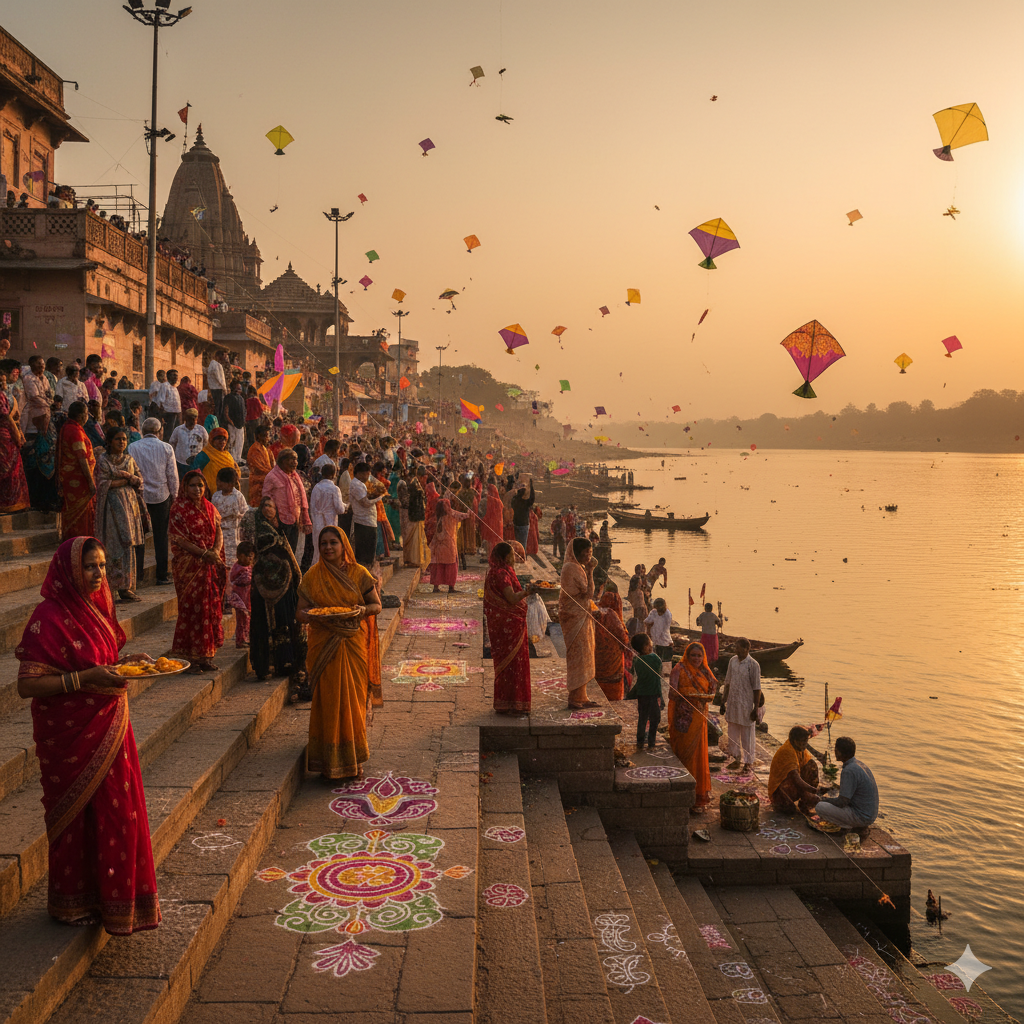
Makar Sankranti is one of the most widely celebrated traditional festivals in Nashik, marking the transition of the Sun into the zodiac sign Capricorn (Makar). Celebrated every year on 14th or 15th January, it signifies the end of winter and the beginning of longer, warmer days. Unlike many festivals based on the lunar calendar, Makar Sankranti follows the solar calendar, making its date almost fixed. In Nashik, the festival has strong agricultural and cultural importance. Farmers celebrate the harvest season, thanking nature for a successful crop cycle. Homes are cleaned and decorated, and people wear new clothes, especially black attire, which is traditionally believed to absorb warmth during winter. A key feature of Makar Sankranti in Nashik is the exchange of tilgul (sesame and jaggery sweets) with the greeting “Tilgul ghya, god god bola,” meaning “Accept these sweets and speak sweetly.” This tradition promotes harmony, forgiveness, and positive relationships within the community. Kite flying is another popular activity. Rooftops across Nashik come alive with colorful kites, especially in residential areas. Families and children gather to enjoy friendly kite competitions, filling the sky with vibrant colors. Sugarcane, groundnuts, and seasonal vegetables are prominently used in meals, symbolizing prosperity and abundance. Women celebrate Haldi-Kumkum gatherings, where married women exchange gifts and blessings. These social gatherings strengthen community bonds and preserve cultural customs passed down through generations. Spiritually, Makar Sankranti represents a shift toward positivity, light, and discipline. It is considered an auspicious time to start new ventures, donate food and clothes, and perform charity. In Nashik, temples see increased footfall, with devotees offering prayers for health and prosperity. Makar Sankranti may appear simple, but its deep connection to nature, agriculture, and human values makes it one of the most meaningful festivals in Nashik’s cultural calendar

Listing
News
Home
Jobs
contact