About Nashik Town
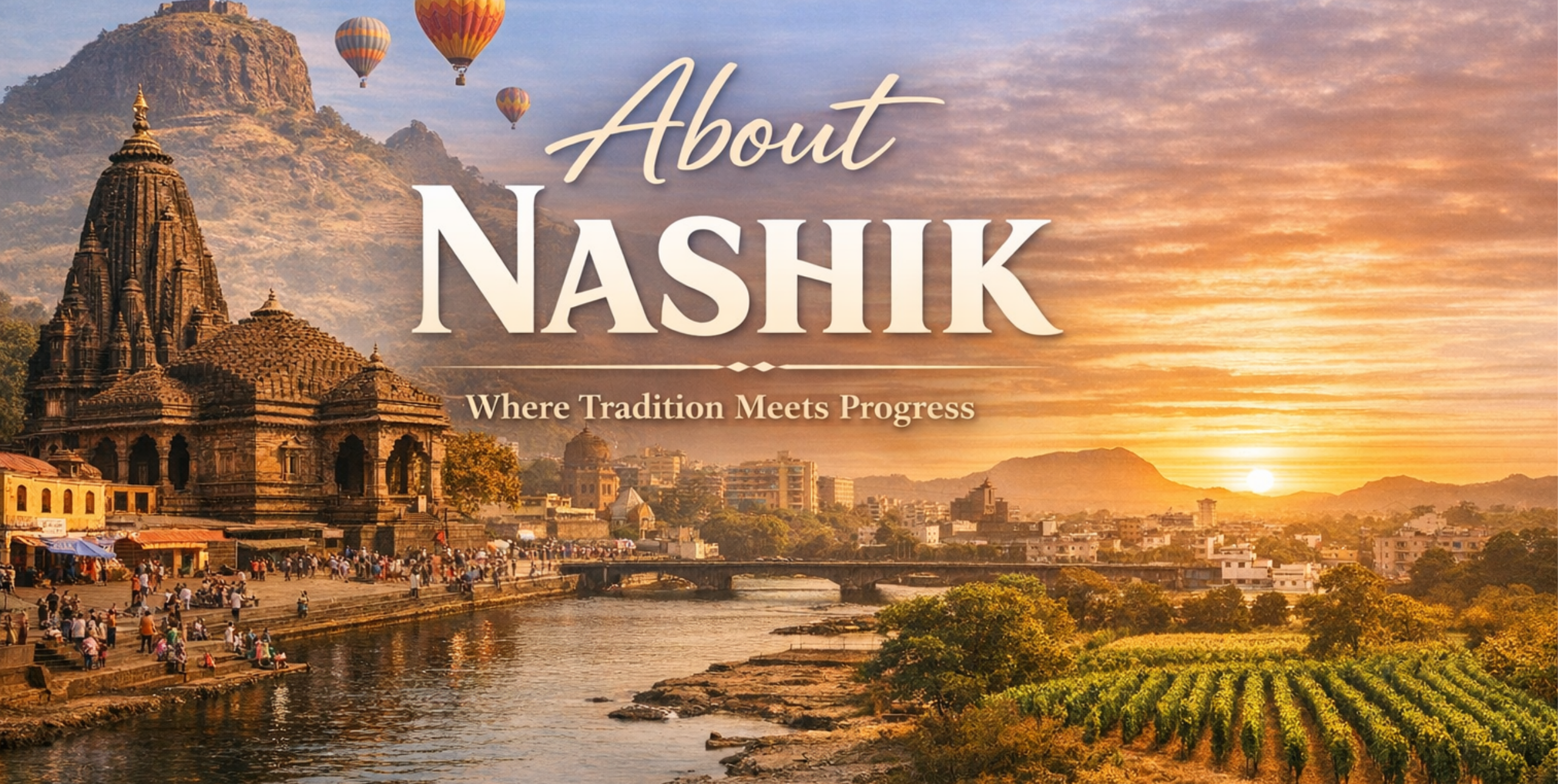
Nashik Town is a historic and culturally significant city located in the northern part of the Indian state of Maharashtra, widely known for its spiritual heritage, scenic landscapes, and rapid urban development. Often referred to as the “Wine Capital of India,” Nashik is celebrated for its flourishing vineyards, agricultural richness, and deep-rooted religious traditions.
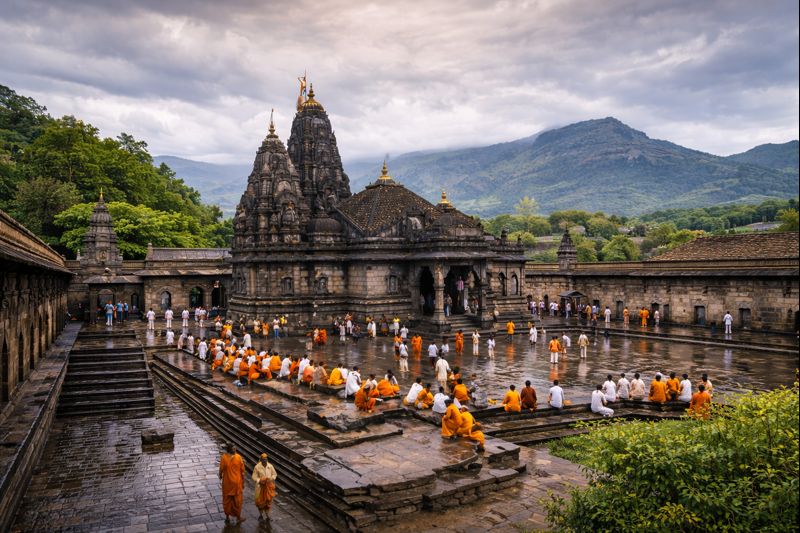
The city is situated on the banks of the sacred Godavari River, which holds immense importance in Hindu culture and pilgrimage. Nashik is one of the four cities in India that hosts the grand Kumbh Mela, attracting millions of devotees from across the country and around the world. This spiritual atmosphere is enhanced by renowned temples such as Trimbakeshwar Jyotirlinga, making Nashik a major center of faith and devotion.
HISTORY & HERITAGE
Ancient History of Nashik
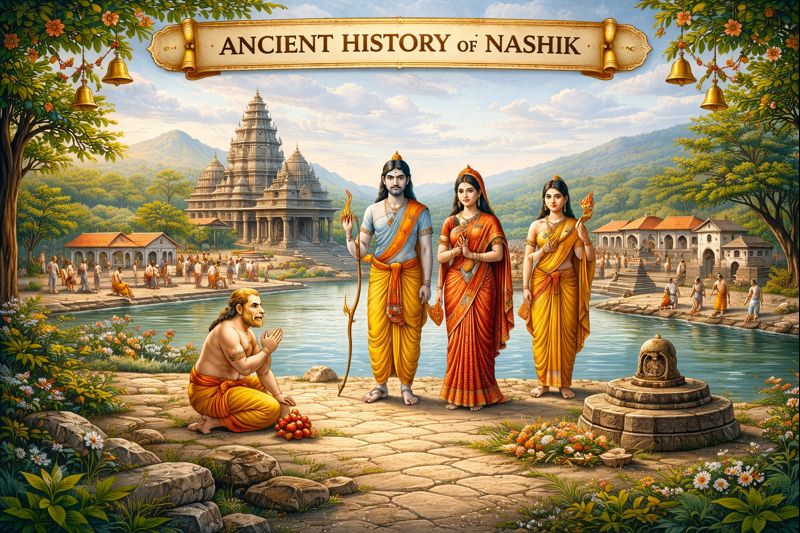
Nashik is one of India’s most ancient and sacred cities, deeply rooted in mythology, spirituality, and early civilization. Its origins are closely connected to the epic Ramayana, where it is believed that Lord Rama, Sita, and Lakshmana spent part of their exile in the forest region of Panchavati, located along the holy banks of the Godavari River.
The city has been a center of pilgrimage and devotion since ancient times, with sacred ghats such as Ramkund serving as important places for religious rituals and spiritual gatherings. Nashik’s timeless significance is further strengthened by the presence of the revered Trimbakeshwar Jyotirlinga, one of the twelve most important Shiva shrines in India, attracting devotees from across the country.
Ancient Nashik flourished as a spiritual hub where sages, temples, and early communities shaped the city’s cultural identity. Even today, the traditions, sacred landscapes, and mythological heritage of Nashik continue to inspire millions, making it a city where history and spirituality remain alive through centuries.
Medieval History of Nashik
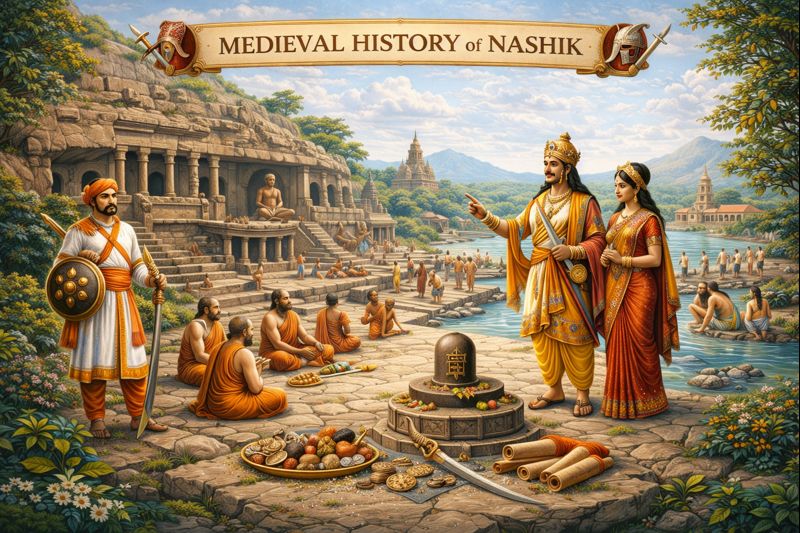
During the medieval period, Nashik emerged as an important center of culture, religion, and regional development in the Deccan region. The city flourished under several powerful dynasties such as the Satavahanas, Rashtrakutas, Yadavas, and later the Bahmani Sultanate and Maratha rule, each contributing to Nashik’s rich historical and architectural legacy.
One of the most remarkable landmarks from this era is the ancient Pandavleni Caves, a group of rock-cut Buddhist monasteries that served as a major center for learning, meditation, and trade. These caves reflect Nashik’s significance as a spiritual and cultural crossroads connecting northern India with the southern kingdoms.
Medieval Nashik also grew as a prominent pilgrimage destination, with temples and ghats along the Godavari River becoming central to religious life. The city’s strategic location made it an important hub for trade routes, local governance, and cultural exchange across Maharashtra.
The medieval era shaped Nashik into a city where spirituality, heritage, and community traditions continued to thrive, leaving behind monuments and cultural influences that remain an integral part of Nashik’s identity today.
Modern History of Nashik
In the modern era, Nashik has transformed into one of Maharashtra’s fastest-growing and most progressive cities, while still preserving its deep spiritual and cultural heritage. Over the past few decades, the city has expanded rapidly through improved infrastructure, industrial development, and smart urban planning.
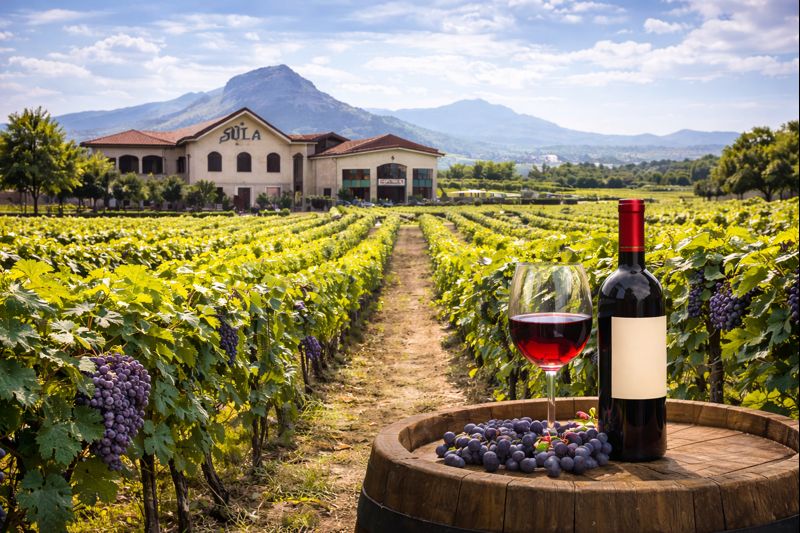
Nashik is widely recognized today as the “Wine Capital of India,” with world-famous vineyards such as Sula, York, and Soma, which have brought global attention to the region’s grape cultivation and wine tourism. Alongside agriculture, Nashik has also emerged as a strong industrial hub with MIDC zones supporting manufacturing, engineering, pharmaceuticals, and agro-based industries.
The city’s connectivity has greatly improved with modern highways, the Nashik Road Railway Station, and Ozar Airport, making it an important link between Mumbai and central India. Educational institutions, healthcare facilities, and smart city initiatives have further strengthened Nashik’s role as a modern urban center.
Today, Nashik represents a unique blend of tradition and innovation — a city where ancient temples and sacred ghats coexist with vineyards, industries, technology, and modern development. Its journey into the modern age reflects growth, opportunity, and a vibrant future built upon a timeless historical foundation.

Wine & Agriculture – “Grape Capital / Wine Capital of India”
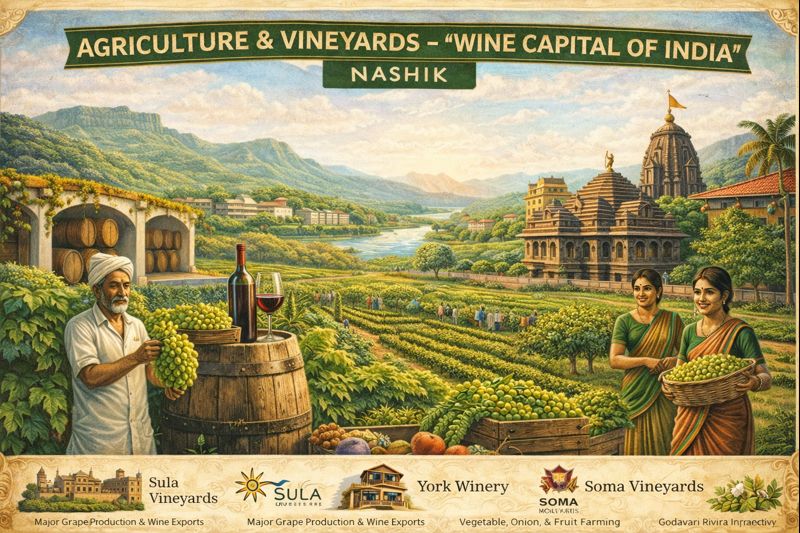
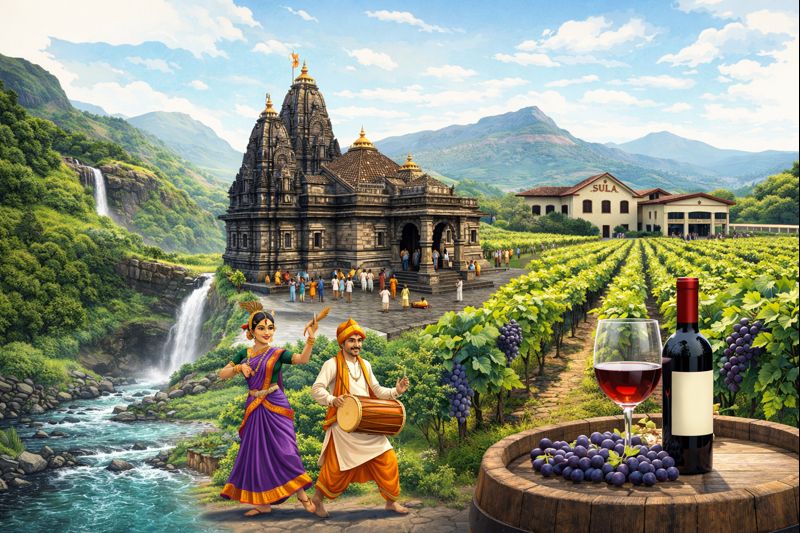
Nashik is proudly known as the “Wine Capital of India” due to its extensive grape cultivation, fertile soil, and ideal climatic conditions that support world-class vineyards and agricultural growth. Blessed with rich alluvial land and the life-giving waters of the Godavari River, Nashik has emerged as one of the most productive and economically significant agricultural regions in Maharashtra.
Grape farming has been the backbone of Nashik’s rural economy for decades. The city produces a major share of India’s table grapes and wine grapes, supplying both domestic markets and international exports. The presence of renowned vineyards such as Sula Vineyards, York Winery, and Soma Vineyards has transformed Nashik into a thriving hub for wine production and agro-tourism.
What Defines Nashik
92%
Wine-Driven Agriculture
Nashik’s economy thrives on vineyards and grape farming, making it the Wine Capital of India.
82%
Pilgrimage & Cultural
Nashik hosts Kumbh Mela, temple events, and vibrant festivals rooted in tradition.
70%
Growth & Connectivity
The city is rapidly developing with strong infrastructure, industries, and transport links.
Infrastructure & Urban Development
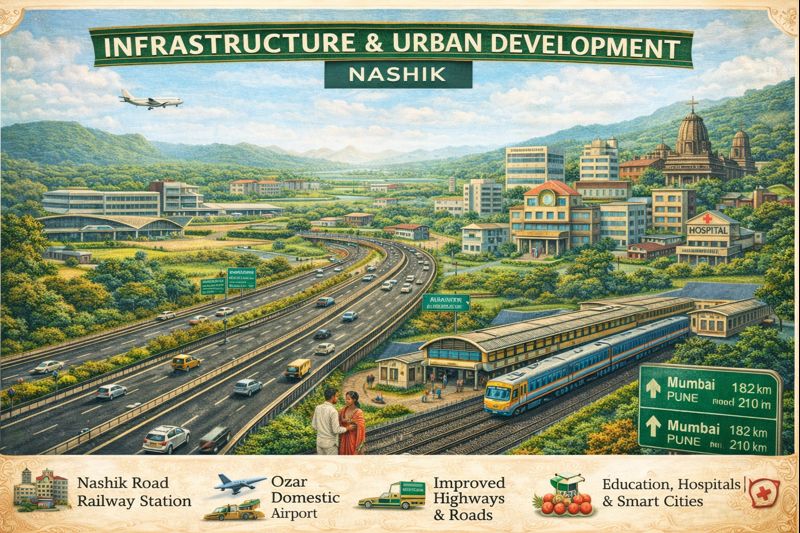
Nashik has steadily transformed into one of Maharashtra’s fastest-growing cities, supported by strong infrastructure and modern urban development. The city is well-connected through highways, railways, and air routes, making it an important regional hub for trade, tourism, and industry.
Major transport facilities such as the Nashik Road Railway Station and Ozar Domestic Airport provide smooth connectivity to key Indian cities. The expansion of national highways and improved road networks has further strengthened Nashik’s accessibility for pilgrims, travelers, and businesses.The city is well-connected through highways, railways, and air routes,
Culture, Communities, and Traditions
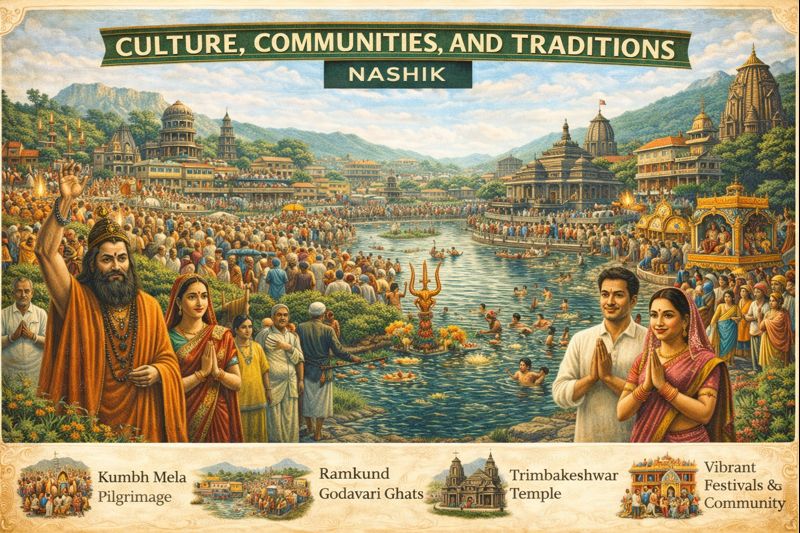
Nashik is a city deeply rooted in cultural richness, spiritual traditions, and a vibrant community lifestyle. The town reflects the true essence of Maharashtra through its festivals, temple rituals, folk customs, and harmonious social fabric. Life in Nashik is shaped by a strong connection to heritage, devotion, and shared celebrations that bring people together throughout the year.
The city is especially renowned for its religious importance, with sacred places such as Ramkund Ghats, Panchavati, and the revered Trimbakeshwar Temple forming the heart of its cultural identity. Nashik also hosts the grand Kumbh Mela, one of the largest spiritual gatherings in the world, attracting millions of pilgrims and showcasing the city’s timeless traditions.
Development & Opportunities
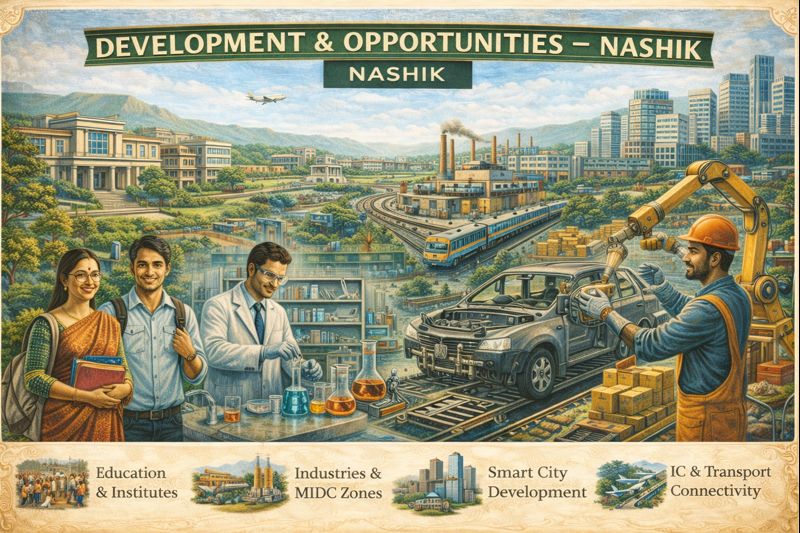
Nashik has rapidly emerged as one of Maharashtra’s most promising cities for development, investment, and future opportunities. While the city is deeply rooted in spirituality and heritage, it is also progressing as a modern urban center with expanding industries, educational institutions, and smart infrastructure initiatives.
The city is home to well-established MIDC industrial zones, supporting sectors such as manufacturing, engineering, pharmaceuticals, and agro-based industries. Nashik’s strategic location between Mumbai and central India makes it an important destination for trade, business growth, and employment opportunities. educational institutions, and smart infrastructure initiatives.
Nashik at a Glance
Key highlights that define the growth, heritage, culture, and development of Nashik city.
0
Total Population
0
Literacy Rate (%)
0
Industries & MSMEs
0
Tourist Attractions
WELCOME TO NASHIK
The Wine Capital of India
Nashik, located on the sacred banks of the Godavari River in Maharashtra,is one of India’s most historic and spiritually significant cities.Famous for the Trimbakeshwar Jyotirlinga and the grand Kumbh Mela,Nashik attracts millions of pilgrims and travelers every year.
Spiritual Places
Discover sacred sites like Trimbakeshwar Jyotirlinga, Panchavati, and Ramkund Ghats.
Vineyards & Wine Tourism
Explore famous vineyards such as Sula, York, and Soma with tasting tours and scenic views.
Nature & Hills
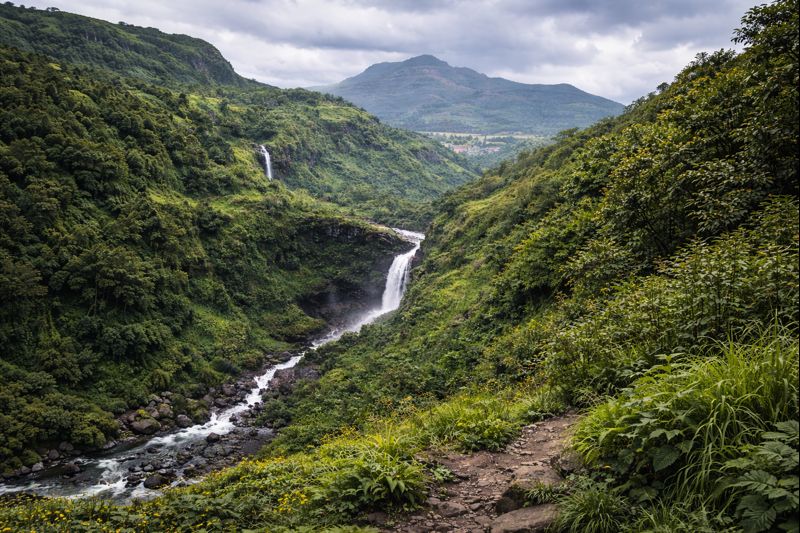
Enjoy waterfalls, trekking spots, and beautiful landscapes around the Sahyadri ranges.
Climate of Nashik
Nashik enjoys a pleasant and balanced climate throughout the year, making it one of Maharashtra’s most comfortable cities for both residents and travelers. Summer (March to May)
Monsoon (June to September)
The monsoon season brings moderate to heavy rainfall, transforming Nashik into a lush green paradise.
Winter (November to February)
Winters are mild and pleasant, with temperatures ranging from 10°C to 30°C. Early mornings can be slightly chilly, especially near the riverbanks, while afternoons remain comfortable.
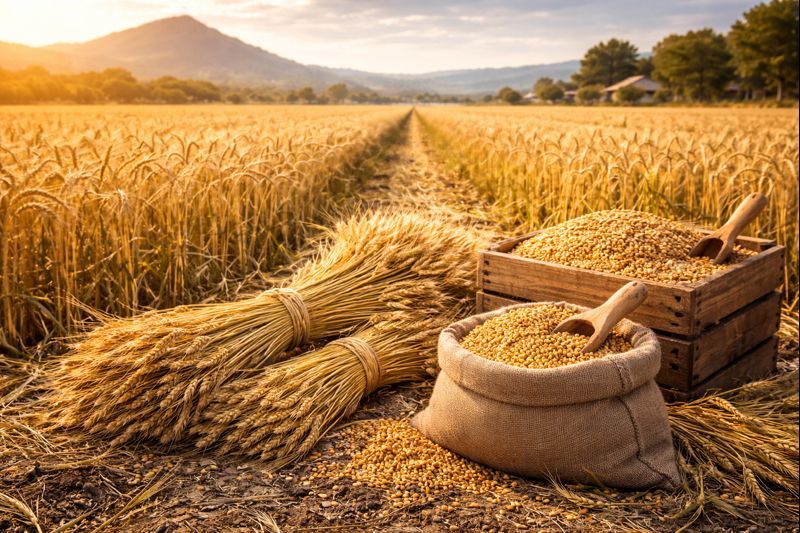
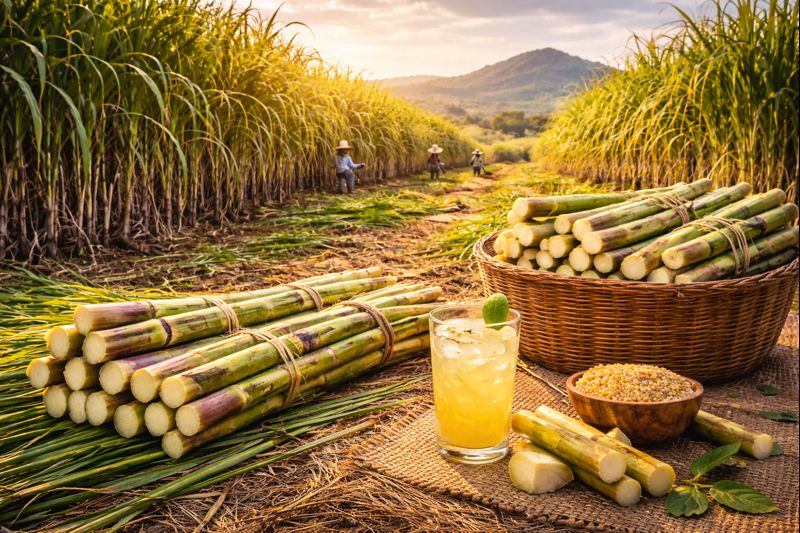
Major Crops that grow across Nashik

Grapes

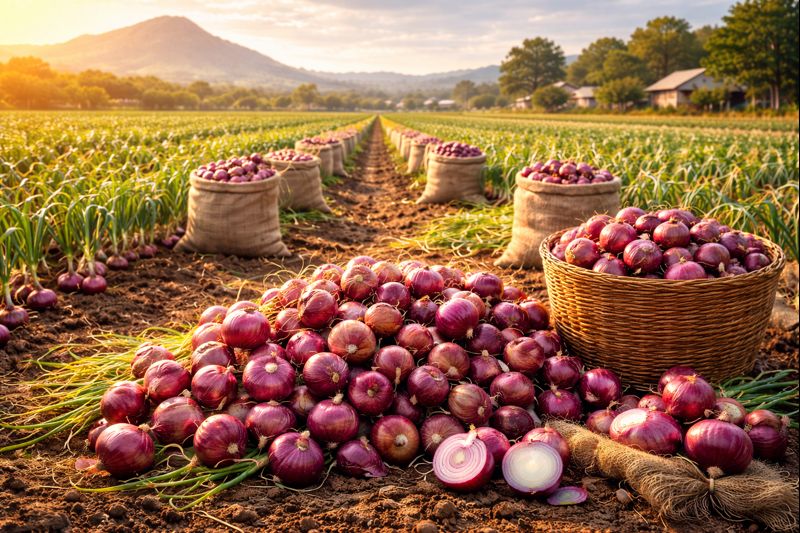
Onion

Wheat

Sugarcane

Soybean